
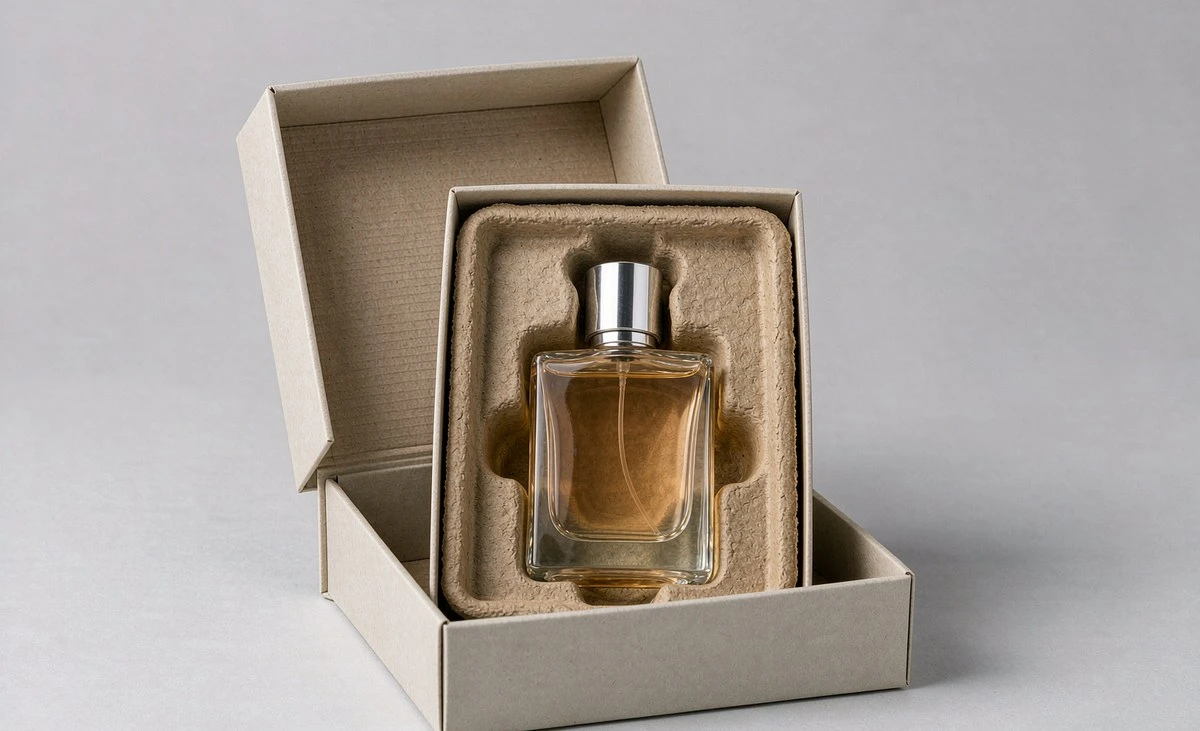
Open almost any well-made retail or e-commerce box today and you will find an insert inside doing quiet, unglamorous work: holding the product steady, stopping surfaces from scratching, and making the unboxing feel deliberate rather than accidental. Inserts are the least visible part of a packaging project and often the one that decides whether a customer's first impression is delight or damage. This guide compares the two dominant options for custom paper box inserts - moulded pulp trays and die-cut cardboard inserts - and explains where each one wins, what they cost, and how to specify them correctly.
What a Box Insert Actually Does
Before choosing a material, be clear about the job. A good insert performs four functions at once:
- Positioning. It locks the product into a fixed orientation so logos face up and lids sit straight when the box is opened.
- Protection. It absorbs shock and prevents the product from contacting the box walls during drops and transit vibration.
- Presentation. It frames the product visually, creating the layered reveal that premium brands pay for.
- Organization. For multi-item sets - cosmetics, spirits, electronics kits - it separates components so nothing rattles.
Shipping boxes have their own protective layers; if you are comparing outer cartons, see our guide to custom corrugated mailer boxes for e-commerce. This article focuses on the inner insert that sits inside the primary box.
Moulded Pulp Inserts: How They Are Made
Moulded pulp (also called moulded fiber) starts as a slurry of water and recycled paper or bagasse. A perforated forming tool is dipped into the slurry, a vacuum pulls fibers onto the tool's surface, and the wet mat is pressed and dried into a rigid three-dimensional tray. The result is a curved, product-shaped cradle that no flat sheet can imitate.
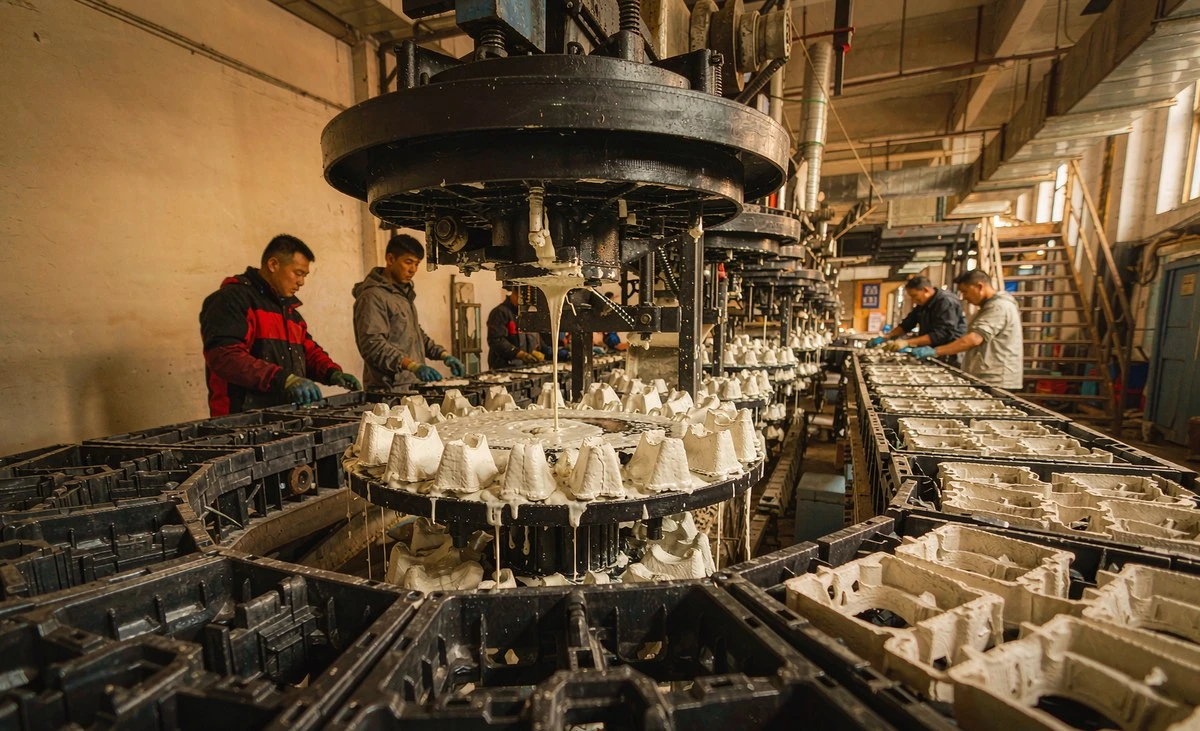
Key characteristics:
- Material. Typically 100% recycled paper, kraft fiber or bagasse (sugarcane residue), with no coatings or glue required.
- Geometry. Complex curves, cavities and wells are natural to the process - ideal for bottles, jars, vials and irregular shapes.
- Tooling. Each design needs a formed tool set. Tooling cost commonly runs from a few hundred to around two thousand dollars depending on size and cavity count, with production unit prices competitive at volume.
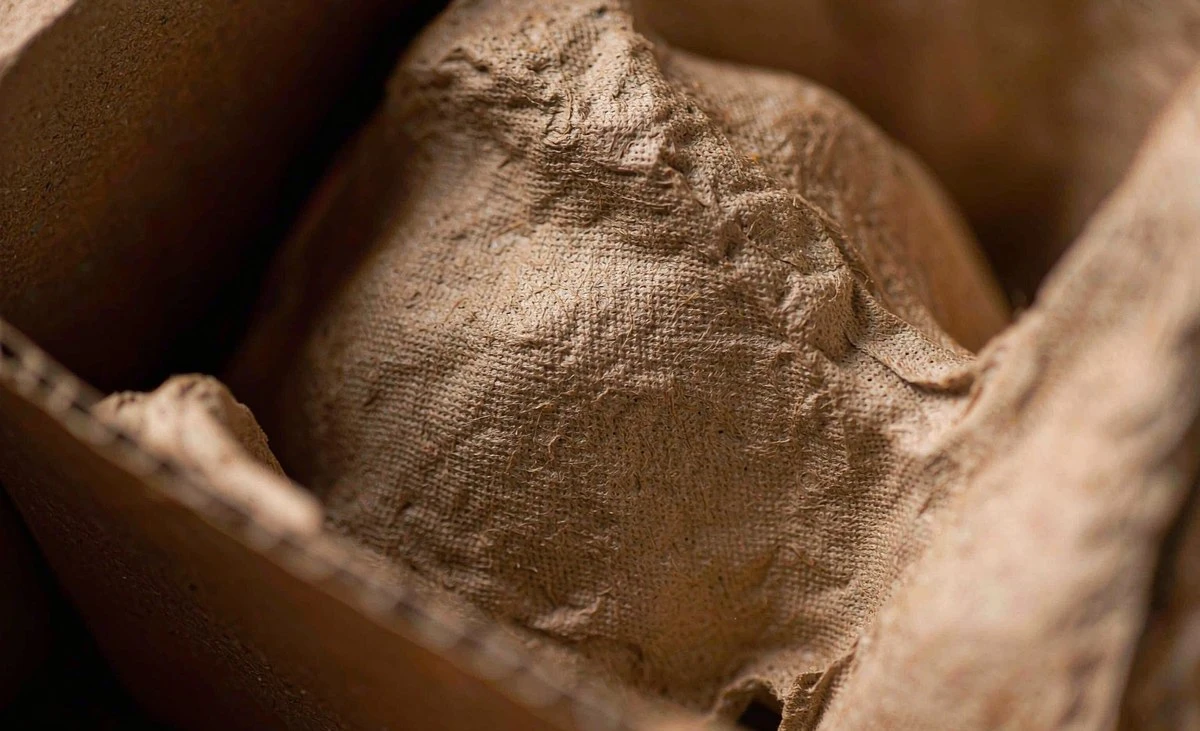
- Finish. The surface is naturally matte and fibrous; premium grades can be smoothed, dyed black or white, or given a thin paper liner on top.
Die-Cut Cardboard Inserts: The Flat-Sheet Alternative
Cardboard inserts start as flat board - usually greyboard, kraft board or corrugated board - that is die-cut, creased and folded or slotted into shape. They are the workhorse of electronics packaging and gift sets: cross dividers, corner pads, folding trays and edge protectors are all variations of this approach.
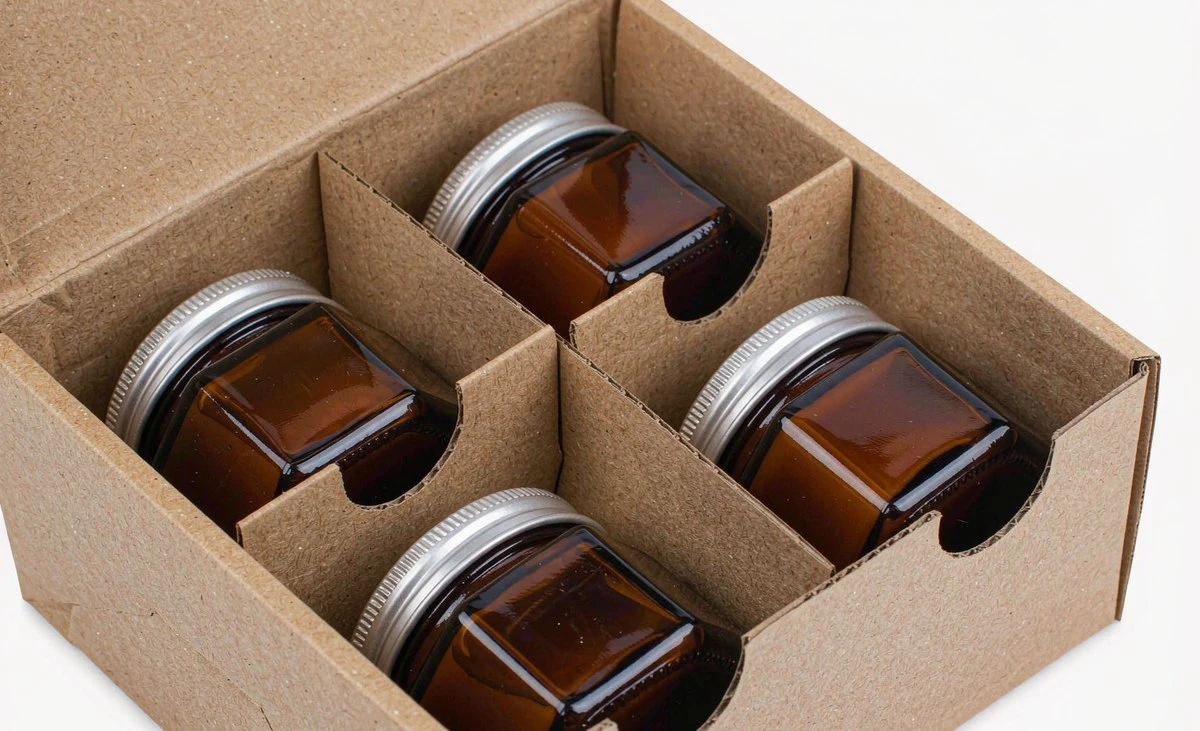
Key characteristics:
- Tooling. A simple die-cut knife costs far less than a pulp forming tool, and revisions are quick - you can iterate the design between sampling runs cheaply.
- Precision. Cut edges are crisp, so tight tolerances and straight-walled cavities are easy to hold.
- Printing. The insert surface can be printed with logos, usage icons or color matching the box interior.
- Limits. Constructions are angular. Anything with deep curves - a perfume bottle shoulder, a earbud case contour - needs multiple folding tabs or a secondary pad to approximate the shape.
Side-by-Side Comparison
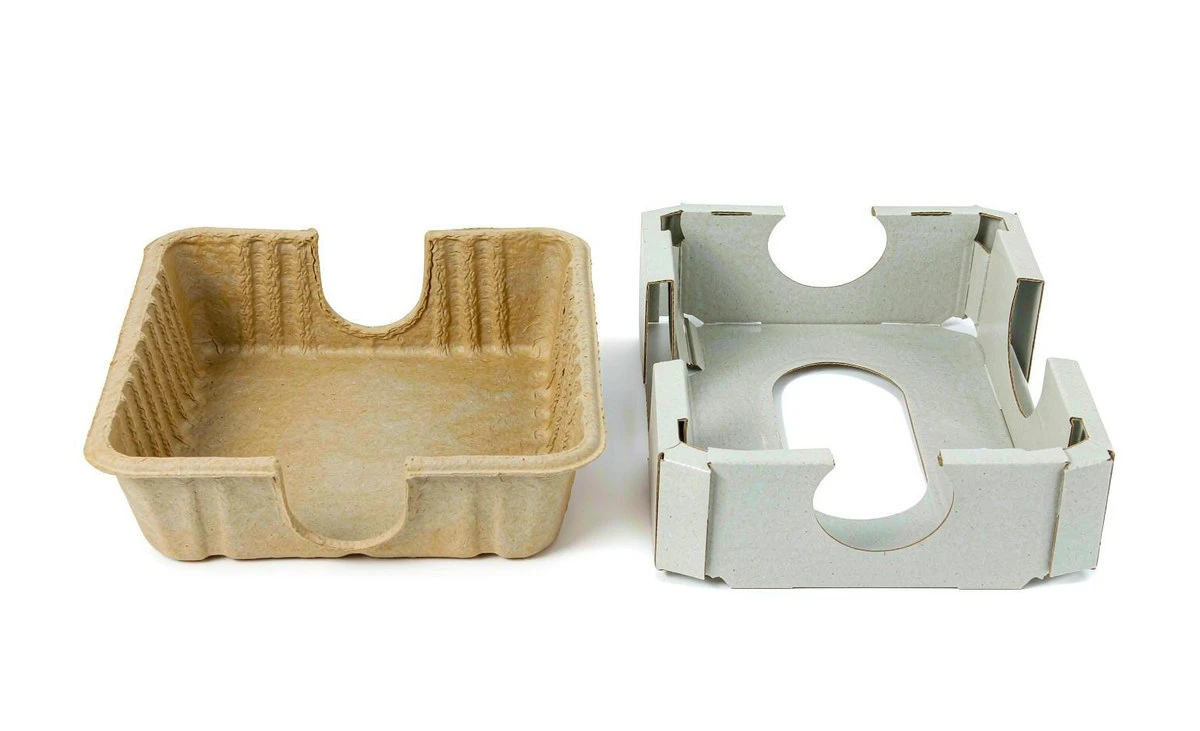
| Criterion | Moulded Pulp | Die-Cut Cardboard |
|---|---|---|
| Best for | Curved or fragile items: bottles, jars, glassware, electronics | Flat, angular items: boxes, phones, cards, multi-piece sets |
| Tooling cost | Medium to high (forming tool set) | Low to medium (die-cut knife) |
| Unit cost at volume | Low - fast machine cycle times | Low to medium - depends on complexity |
| Lead time to sample | 7-15 days (tool making) | 3-7 days (knife making) |
| Shock absorption | Excellent - 3D cradle distributes load | Good - depends on fold design and board grade |
| Premium look | High - molded curves read as designed | Medium - reads functional unless printed/wrapped |
| Sustainability | Usually unbleached recycled fiber, curbside recyclable | Recyclable; laminated or ink-heavy versions less so |
How to Choose: Five Practical Questions
Use these questions during specification - they resolve most decisions in minutes:
- How fragile is the product? Glass, ceramics and precision electronics justify pulp tooling; sturdy boxed goods work fine on cardboard.
- How many units per year? Below roughly 5,000 units, pulp tooling is hard to amortize - cardboard or a stock tray is usually smarter.
- Is the shape curved? Deep curves favor pulp; straight walls favor cardboard.
- Does the insert carry branding? Cardboard accepts print directly; pulp branding is done via embossing or a printed liner.
- What does your market expect? In beauty and spirits, moulded pulp now signals premium eco design; in electronics, die-cut cardboard remains the norm.
Specifying an Insert: Details That Prevent Costly Mistakes
Whatever material you pick, put these points in writing with your supplier:
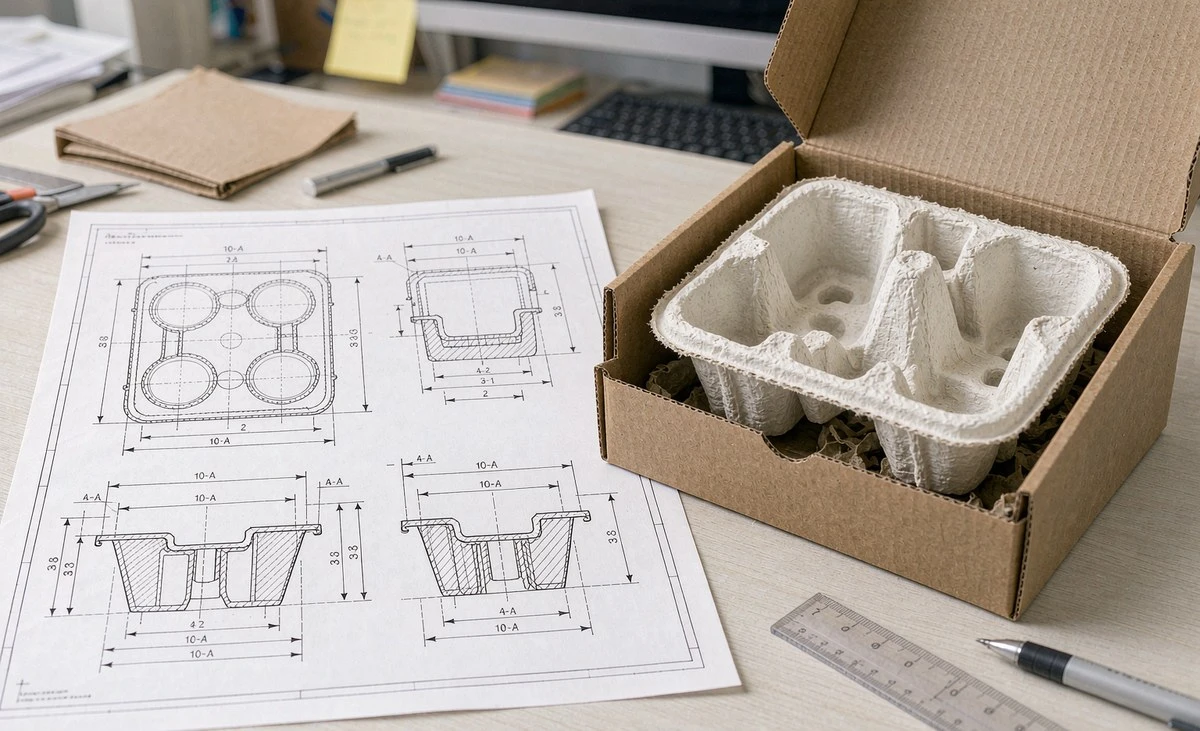
- Product dimensions with tolerance. Give exact width, depth, height and weight, plus a physical sample or 3D file. A 1 mm miscalculation turns a snug cavity into a rattle.
- Drop and vibration requirements. If goods ship by parcel networks, reference standard transit testing protocols rather than saying "make it strong".
- Color and surface. Natural grey pulp, dyed black or white, or wrapped with printed paper - each carries a different cost. Black dyed pulp is the most common premium choice.
- Assembly method. Confirm whether the insert is loose-laid, glued, or locked into box tabs - this affects both packaging line speed and recyclability.
Materials for the outer box interact with insert choices too - our overview of paper packaging materials and box styles covers board grades that pair well with each insert type.
Sustainability Notes You Can Stand Behind
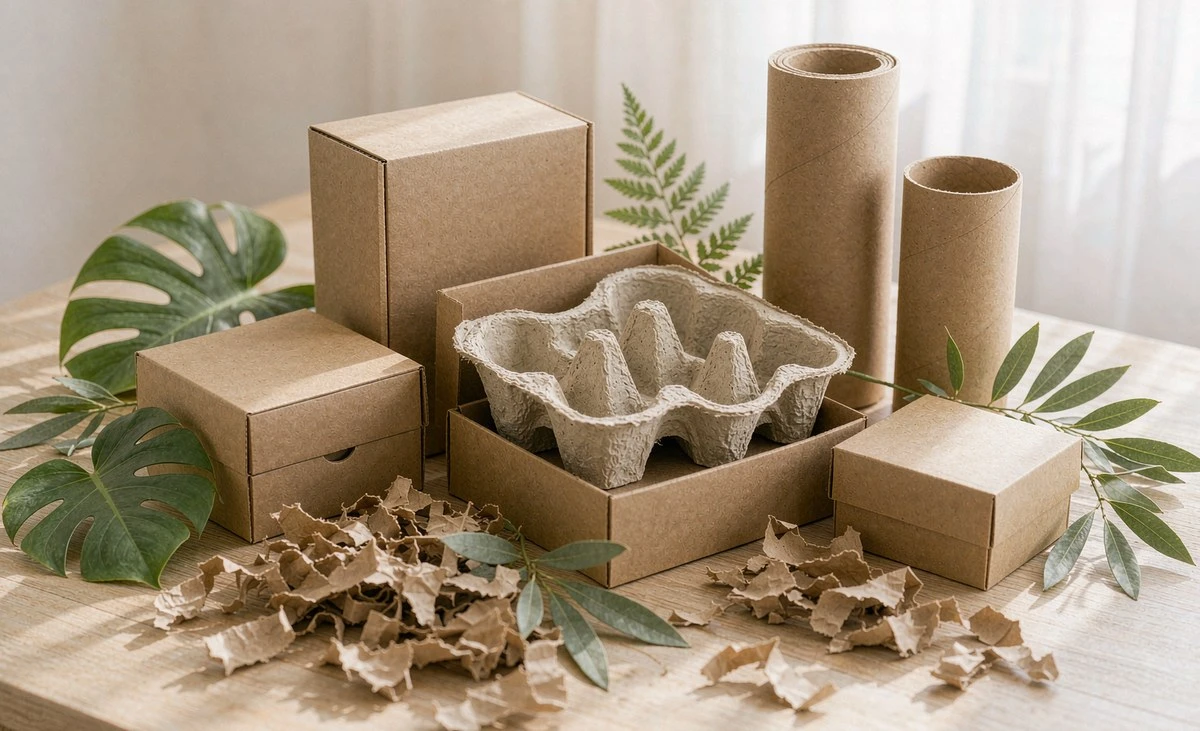
Both insert types are paper-based and fit comfortably within circular-economy expectations. Recycled-content claims should match the actual fiber source, and unbleached fibre generally carries a lower footprint than bleached stock. If your brand prints certification marks on packaging, fibre from responsibly managed forests can be documented through the FSC certification system, while recycling-rate context for paper products is published by the US EPA. One caution: pulp inserts glued into boxes with heavy synthetic adhesive, or cardboard inserts laminated with plastic film, lose easy recyclability - keep the material mix simple if a recycling claim matters to your marketing.
Real-World Configurations
A few combinations our team specifies frequently:
- Perfume and spirits: rigid box + black moulded pulp cradle + satin liner. The pulp holds the bottle neck and base simultaneously, which cardboard struggles to do.
- Cosmetics sets (4-12 items): greyboard folding insert with printed dividers; easy to reconfigure for seasonal SKU changes.
- Consumer electronics: corrugated insert with corner pads and cable pockets, paired with a mailer box - see how this works end to end in our counter display boxes guide, which uses similar internal structures for retail-ready units.
- Subscription e-commerce: die-cut kraft insert with finger tabs for easy removal, tuned so the unboxing sequence reveals items in order.
Getting Samples and Moving to Production
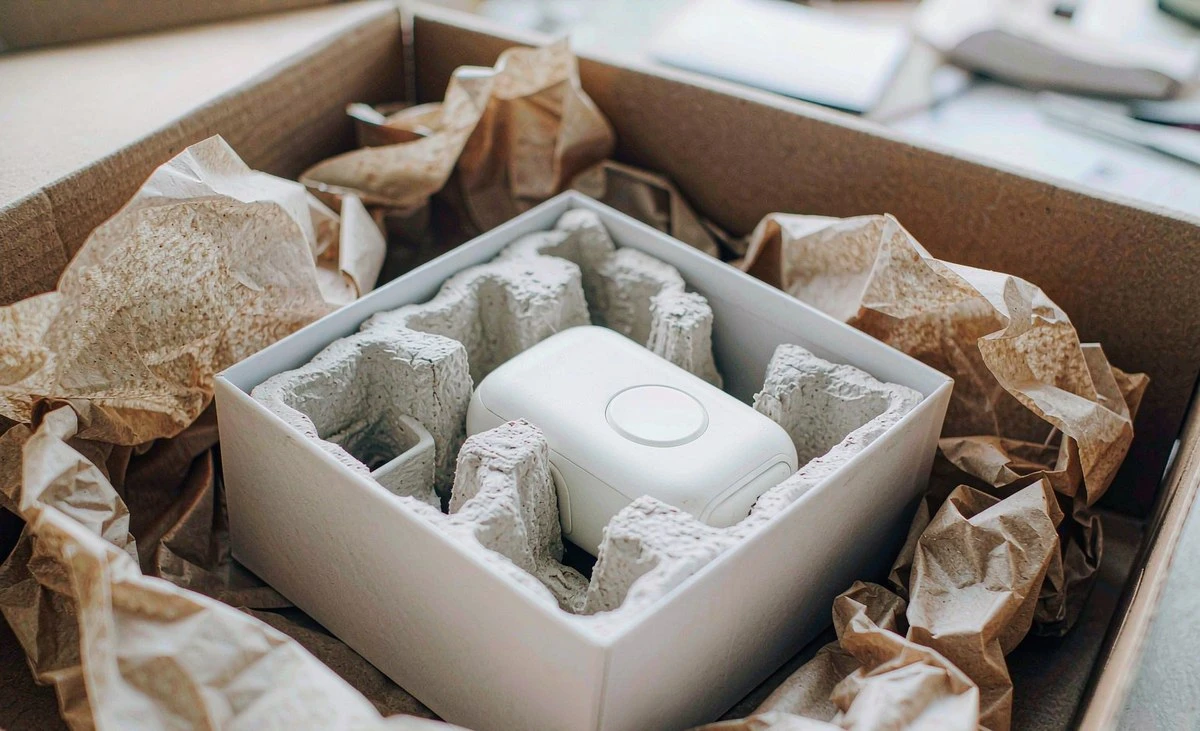
The practical path is the same either way: confirm the dieline or tooling drawing, order a physical sample, test it with real product through your packing line and a transit route, then release mass production. Cardboard iterations are cheap, so plan two or three sample rounds if the fit is critical. Pulp tooling takes longer to arrive but produces extremely consistent trays once tuned, so invest the time in getting the first drawing right.
Inserts rarely get the attention the box exterior gets, yet customers feel them every time they open the lid. Choose moulded pulp when the product is fragile or curvaceous and volumes justify tooling; choose die-cut cardboard when flexibility, printing and lower upfront cost matter most. Get either one right, and the whole package - outer box, insert and product - works as a single designed object.