
A corrugated mailer box has become the default shipping package for online brands, and for good reason: it is strong enough to survive parcel networks, it opens like a gift rather than a chore, and it can be printed on the outside so the unboxing moment starts before the lid is lifted. This guide covers how mailer boxes are built, which board grades actually hold up in transit, how printing choices affect cost, and the sizing decisions that quietly decide your freight bill. It is written from the perspective of a factory that produces these boxes every week for beauty, apparel, coffee, supplement and subscription brands.
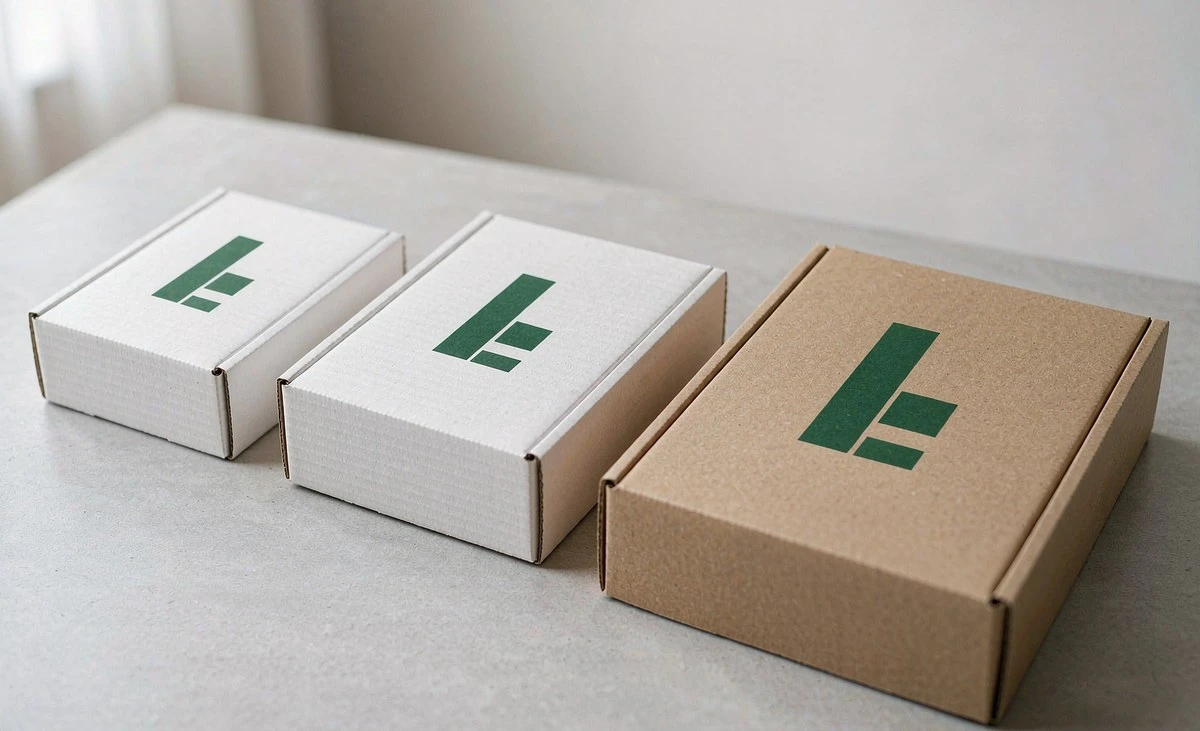
Why E-Commerce Brands Moved From Rigid Gift Boxes to Corrugated Mailers
Five years ago a premium skincare launch would have shipped in a wrapped rigid box inside a plain shipper. Today the same brand is more likely to use a single printed corrugated mailer, because one box now does two jobs: it protects the product and it carries the brand story.
The economics are straightforward. A rigid box plus an outer shipper means two units of packaging, two sets of tooling and twice the storage volume. A mailer box is one unit, ships flat, assembles in seconds without glue, and still delivers a presentable interior. Add the weight difference and the freight savings compound across thousands of orders.
- One box, one cost centre. No separate outer carton for most parcels under a few kilos.
- Flat storage. Empty mailers nest into a fraction of the volume of assembled rigid boxes.
- Damage resistance. The fluted walls absorb impact that a solid greyboard wall transmits straight to the product.
- Printable surfaces. Outside for brand recognition in the mail room, inside for the unboxing reveal.
How a Custom Mailer Box Is Actually Built
Every mailer starts life as a flat die-cut blank: one sheet of printed and laminated corrugated board, scored and cut into a shape that folds into a box. Understanding that blank explains most of the cost and quality questions buyers ask.
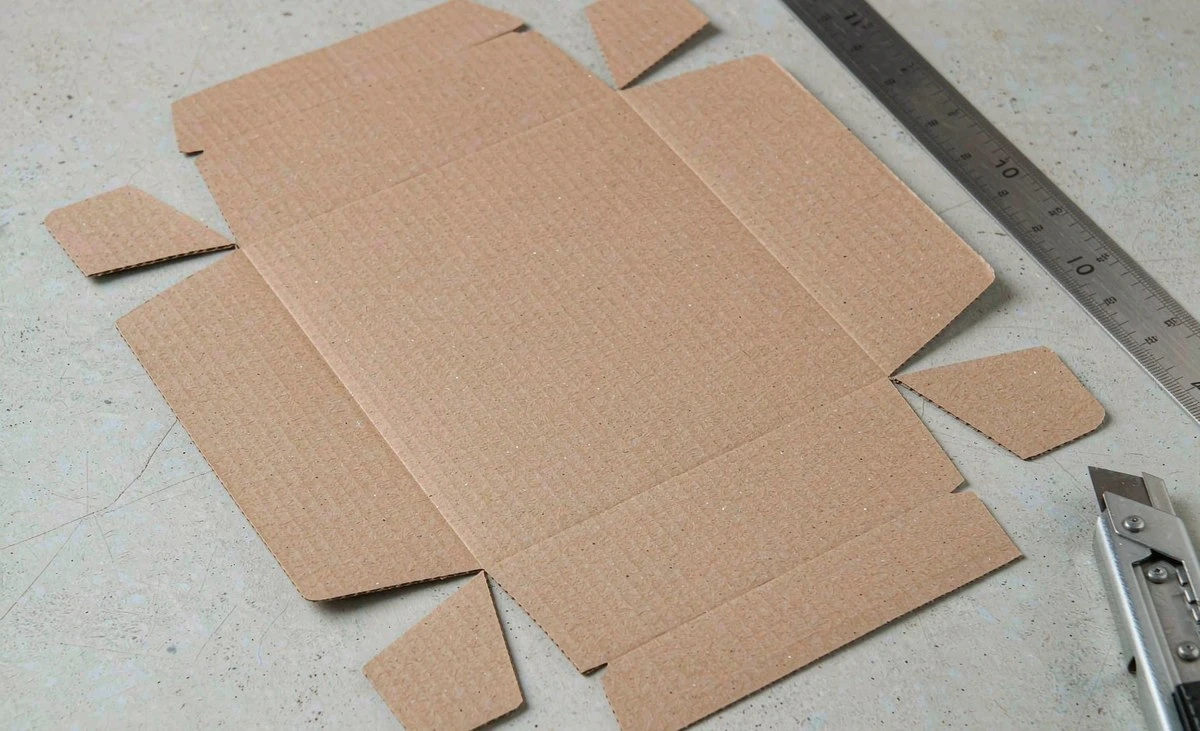
The blank has four wall panels, a base, a lid panel with a front tuck flap, and two side dust flaps. Assembly relies on friction and pressure-sensitive or water-activated tape at the front seam, which is why a well-made mailer needs no glue and can be flattened again for returns.
Anatomy worth knowing before you approve a dieline
- Roll-end front tuck. The flap curls over the front wall and tucks in; the most common and most secure closure.
- Dust flaps. Small side flaps that stop the lid from collapsing inward and keep dust out of the box.
- Score lines. Compressed channels that let the board fold without cracking the printed surface; poor scoring is the number one cause of split print on delivery.
- Locking tabs. Optional self-locking base tabs that remove the need for tape on the bottom.
If you are still deciding between a mailer, a folding carton and a rigid box, our guide to custom paper packaging boxes and box styles compares the three constructions side by side.
Flute Grades: The Single Most Important Specification
Corrugated board is two flat liner papers with a wavy medium glued between them. The height and pitch of that wave is the flute, and it determines strength, printability and how the box feels in the hand.
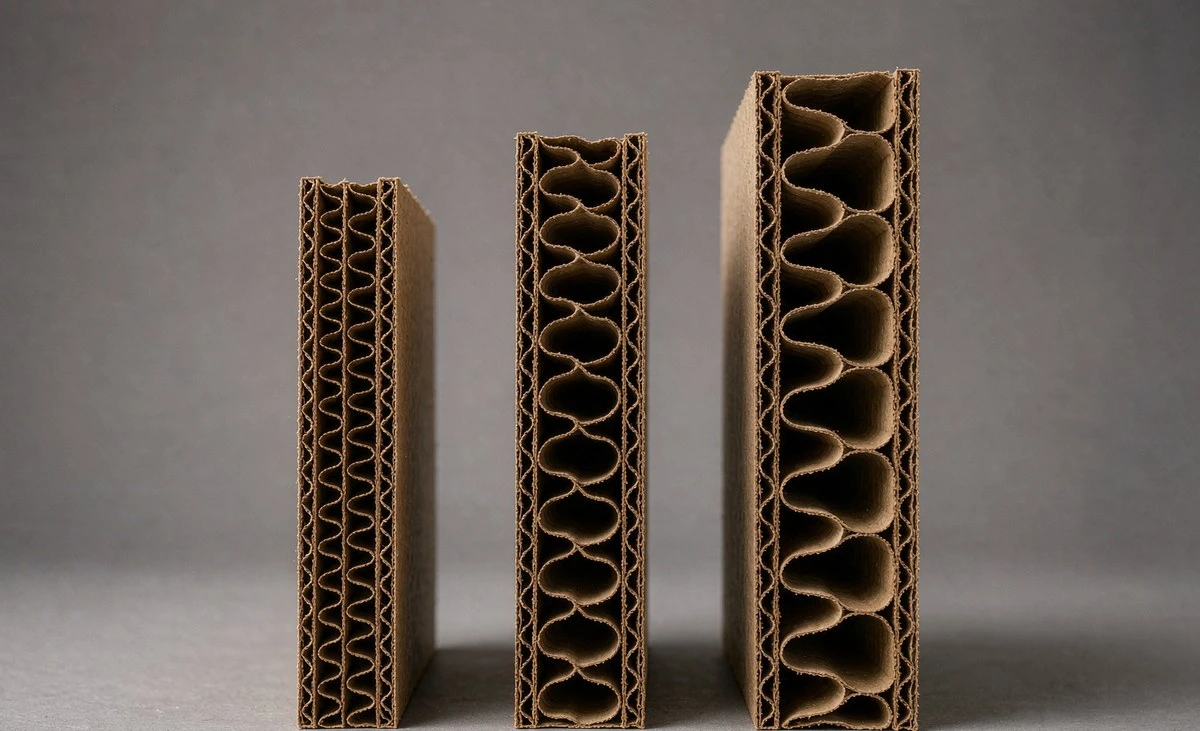
- E-flute (about 1.5 mm). Fine, flat and print-friendly. The standard for premium mailers where the box must look almost like a folding carton. Good crush resistance, limited cushioning.
- B-flute (about 3 mm). The workhorse for e-commerce mailers: a balance of stiffness, cushioning and cost, and still printable with reasonable detail.
- C-flute (about 4 mm). Thicker and stronger in stacking, common for heavier or larger parcels where drop protection matters more than a refined look.
- Double wall (BC or EB). Two flutes laminated together for fragile, high-value or heavy shipments; expect a noticeably stiffer box and higher freight cost.
A practical default: E-flute for beauty, jewellery and gift sets under 2 kg; B-flute for apparel, coffee and general merchandise up to roughly 8 kg; double wall beyond that or for anything glass.
Strength Numbers Buyers Should Ask For
Suppliers quote board in ways that are not always comparable. Three figures matter:
- ECT (Edge Crush Test). Measured in lb/in or kN/m; predicts stacking strength. A 32 ECT board is a common e-commerce baseline, 44 ECT for heavier loads.
- Burst strength (Mullen). Resistance to puncture, quoted in psi. Useful for boxes that meet sharp corners inside the parcel stream.
- Basis weight of liners. Usually 125-200 gsm for mailers; heavier liners print better and resist scuffing.
If your product is fragile or your market has strict handling requirements, ask for transit testing rather than a data sheet. The ISTA transit test protocols are the reference most retailers and marketplaces accept, and running a 3A or 6-Amazon simulation on a pre-production sample is cheap insurance against a season of returns.
Unboxing: Designing the Interior Experience
The outside of the box gets the parcel opened; the inside gets the brand remembered. Two inexpensive moves do most of the work.

First, print or flood-coat the inside liner. A dark interior with a contrasting product reads as premium, and it costs far less than upgrading to a rigid box. Second, control what moves. A product rattling inside a box signals cheapness before the customer has touched it.
Insert options ranked by cost
- Die-cut paperboard insert. The most popular choice: a sheet of folding board with cut-outs that cradle the product. Recyclable in the same stream as the box, light, and cheap at volume.
- Corrugated fitment. A folded corrugated platform for heavier items; stronger than paperboard but bulkier.
- Moulded pulp. Excellent for bottles and cosmetics, plastic-free and premium-feeling, but tooling is expensive and MOQs are high.
- EVA foam or EPE. Best protection, worst recyclability story; reserve for genuinely fragile goods.

Printing: Flexo, Digital or Litho-Laminated
Print method drives both the look and the price break, and the right answer changes with order quantity.
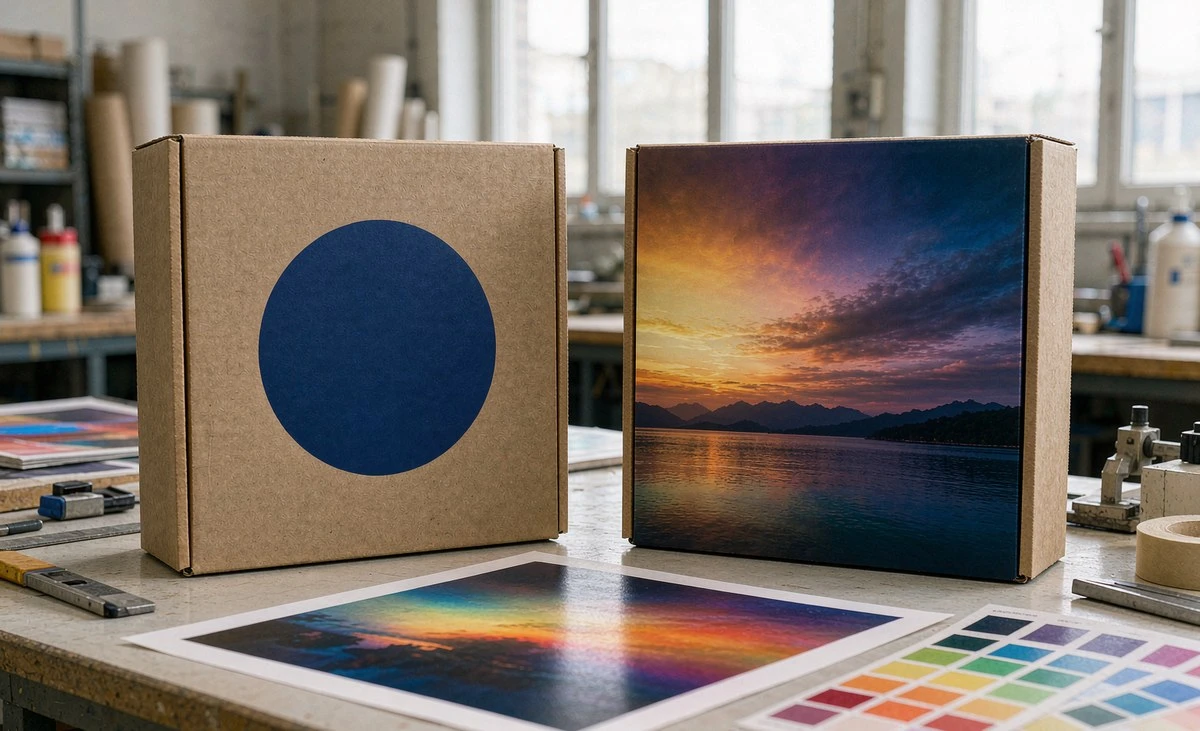
- Flexographic printing. Direct print onto the liner before corrugating. Cheapest at volume, ideal for one to three spot colours and bold logos. Fine gradients and photography are not realistic.
- Digital printing. No plates, so short runs and multiple SKUs become viable, and full-colour artwork with photographs is possible. Unit cost falls slowly with quantity, so it suits launches, limited editions and market tests.
- Litho-laminated. Offset-printed sheets glued onto the board. The best print quality available on corrugated and the choice for retail-grade mailers; tooling and minimums are the highest of the three.
Whatever the process, remember that corrugated is an uneven surface. Thin reversed-out type and hairlines disappear into the flute, and dark ink on brown kraft shifts colour. If a colour must match a brand guideline exactly, specify a white top liner and ask for a Pantone drawdown. Our article on packaging finishes explains how varnish and lamination choices change both appearance and scuff resistance.
Sizing: Where Freight Cost Is Won or Lost
Parcel carriers in most markets bill on dimensional weight, so an oversized mailer can cost more to ship than the box costs to make. The discipline is simple: design the box around the product plus the minimum protective layer, then confirm the outer dimensions against your carrier's tier thresholds.
- Leave 3-5 mm clearance per side for tissue or a thin insert, not 20 mm of void fill.
- Keep the internal height tight; a box that is 30 mm too tall adds billable volume on every order.
- Check the assembled outer size against your standard carton count per pallet, not just per parcel.
Brands that ship both retail and online often pair a mailer with a printed carrier bag for store collection; our kraft paper bag guide covers that side of the packaging range.
Packing Line Reality: Speed and Tape
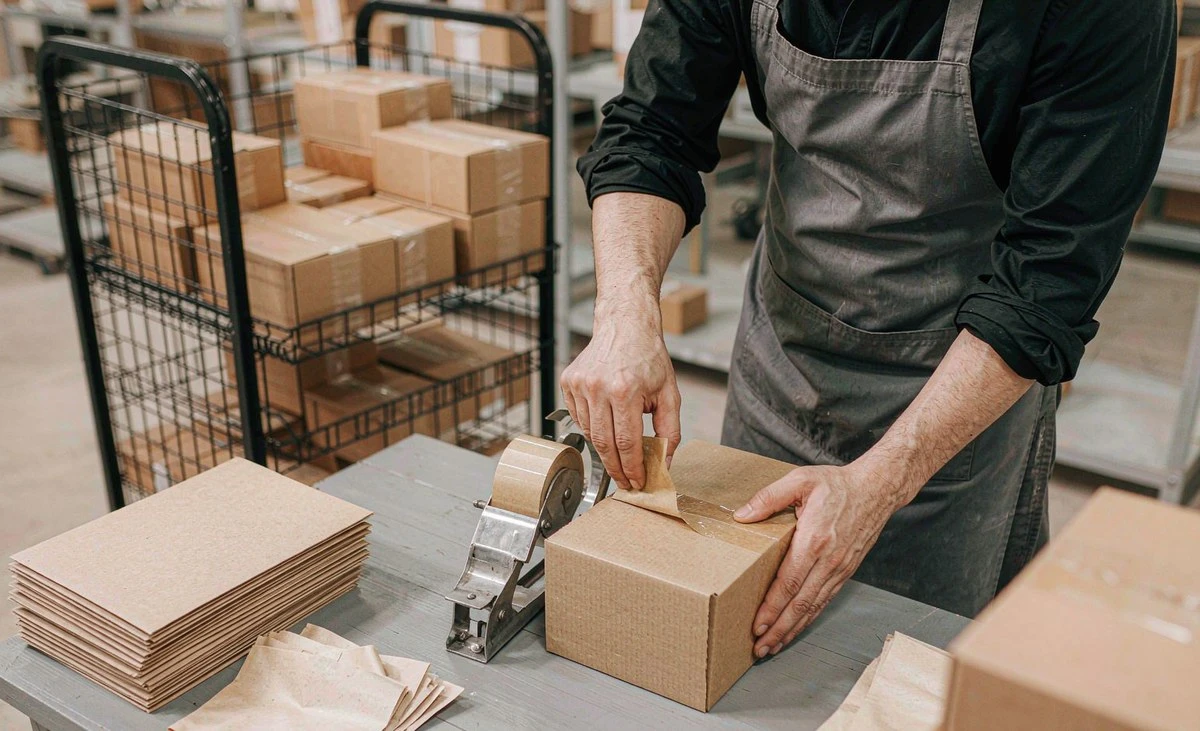
A box that looks elegant in a photo can slow a packing line to a crawl. Two details decide throughput: how the base locks and how the lid seals. Self-locking bases remove a taping step entirely. Water-activated paper tape seals and brands in one motion and keeps the package mono-material, while plastic tape is faster but contaminates the recycling stream. Test assembly with your actual packing team before signing off the dieline.
Sustainability Claims That Hold Up
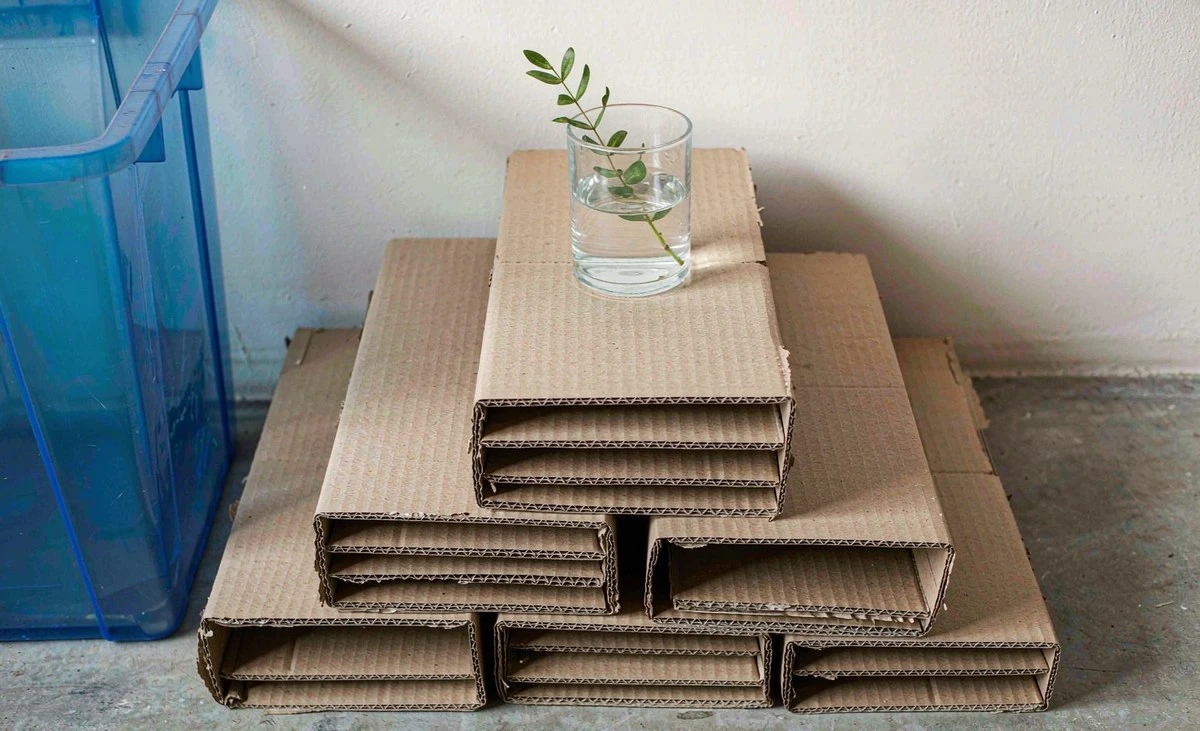
Corrugated is the most recycled packaging material in most municipal systems, and the US EPA paper and paperboard data shows recycling rates well above plastic. To keep that advantage intact, aim for a mono-material pack: water-based inks, paper tape, paperboard inserts and no laminated film window. If you need certified fibre, specify FSC-certified liner and print the licence code; avoid vague "eco" language that regulators in the EU and US increasingly challenge.
MOQ, Tooling and Lead Time
Custom mailers need a cutting die, and that is the only real tooling cost. Expect the following as a working baseline for a first order:
- Sampling: 7-10 working days for a white sample, plus 3-5 days if printed.
- MOQ: typically 500-1,000 pieces for digital print, 1,000-3,000 for flexo or litho-laminated.
- Mass production: 12-20 working days after sample approval, depending on print method and finishing.
For a closer look at how samples are checked and approved, see our notes on custom packaging sampling timelines.
Buyer Checklist
- Confirm the product weight and the drop height the parcel will realistically see.
- Choose flute grade first, then board grade, then print method.
- Approve the dieline with a physical white sample in hand, not a PDF.
- Check assembled dimensions against carrier dimensional-weight tiers.
- Decide the insert and the closure before artwork, because both change the blank.
- Run one transit test on a packed sample before the full production run.
A well-specified mailer box is one of the few packaging items that reduces total cost while improving the customer experience: fewer damaged parcels, less void fill, one box instead of two. Start with the flute grade and the internal dimensions, and the rest of the specification falls into place quickly. You can also browse a production example on our custom black corrugated mailer box page to see how print, board and closure come together in a finished unit.