
Sticker labels are the smallest piece of packaging most brands will ever buy, and yet they carry a disproportionate share of the work. A well-made label carries your logo, your legally required product information and your entire visual identity in a space of a few square centimeters. It is also the most flexible tool in the packaging toolbox: you can rebrand a stock jar, bottle, pouch or box with nothing more than the right sticker, which makes custom labels the natural starting point for small brands and a fast-moving weapon for large ones.
This guide explains how custom sticker labels are specified and produced: the main label types, how to choose between paper and film materials, which adhesive suits which product, what finishes are worth paying for, and how to prepare artwork so the printed result matches what you approved on screen.
Why Custom Sticker Labels Matter for Product Brands
For many small brands, stickers are the first step into custom packaging. Instead of committing to a fully printed carton or custom paper packaging box, you buy plain stock containers and dress them with labels. This keeps the initial order small, shortens lead times and lets you change the design seasonally without retooling.
Labels also solve real problems on established product lines: variant coding on a shared box, multilingual compliance stickers for export markets, promotional seals, and tamper-evident closures. Because they are printed on web or sheet presses in large quantities, the unit cost of a quality label is often just a few cents, while the perceived value it adds to the product is far higher.
Main Types of Custom Sticker Labels
Most commercial labels fall into one of three delivery formats, and knowing which one you need will shape every later decision:
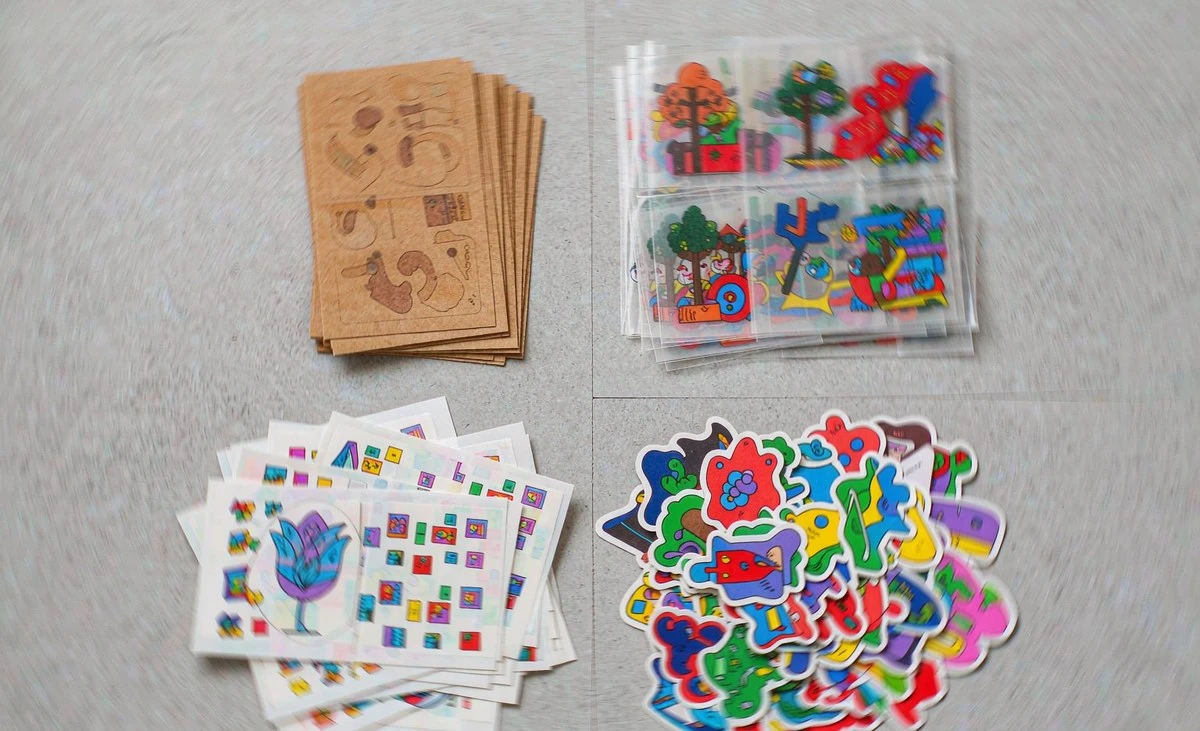
- Die-cut labels. Each label is cut to the exact outline of your design - a circle, an arch, a scalloped badge or an irregular logo shape. Die-cutting is done on a roll-fed press with a cylindrical magnetic die, which makes complex shapes consistent across tens of thousands of pieces.
- Roll labels. Labels are supplied on a core, wound and spaced for automatic application on labeling machines. Roll format is essential if your production line applies labels at speed, and it is also the standard format for most digital label printers.
- Sheet labels. Flat A4/A3 sheets for hand application or office printing. Useful for short runs, address and barcode stickers and small-batch food products.
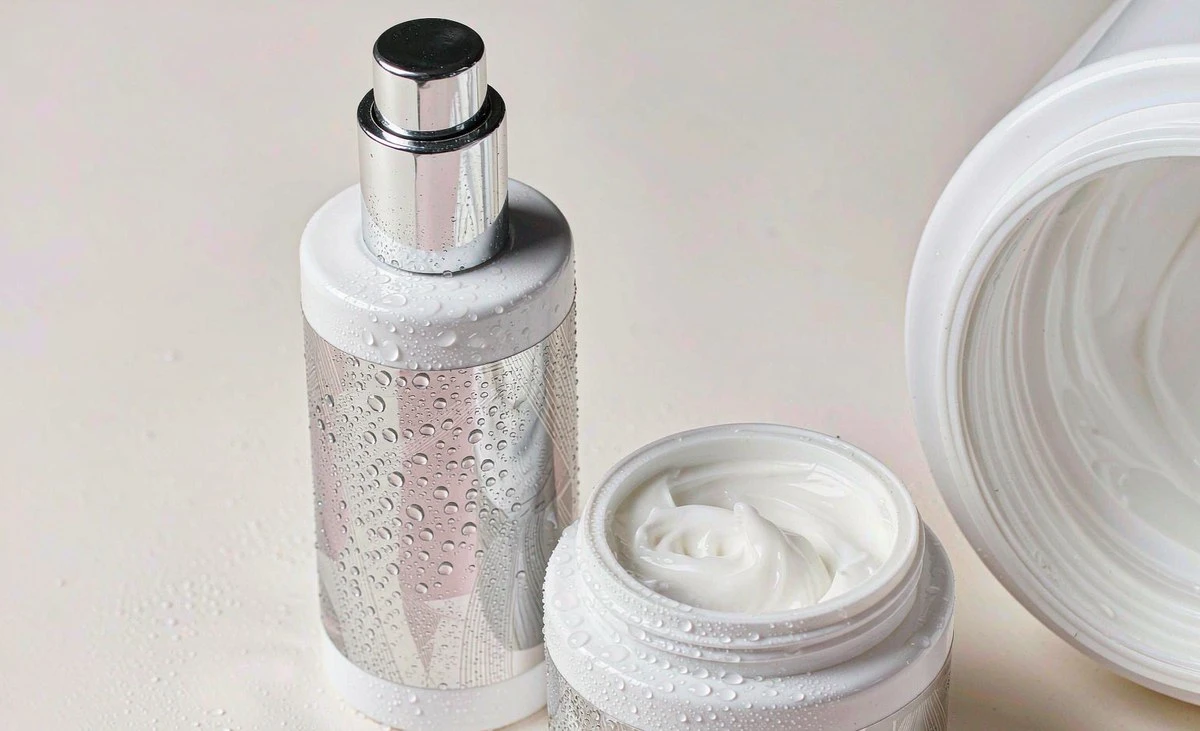
Within these formats, clear film labels deserve a special mention. Applied to glass or smooth plastic, a transparent label with minimal ink creates the popular "no-label look", where the artwork appears printed directly on the container.
Choosing the Right Label Material
The face material determines how the label feels, how it ages and where it can survive. The two broad families are paper and film.
Paper labels
Paper is the classic choice: it prints beautifully, costs less and reads as natural and crafted. Coated art paper supports fine detail and rich color; uncoated and kraft papers suit artisan food, coffee and skincare brands that want a tactile, eco-conscious look. If sustainability messaging matters to your brand, ask your supplier for papers certified by the Forest Stewardship Council (FSC), which confirms the fiber comes from responsibly managed forests.
The main limitation of paper is moisture. A paper label on a chilled drink, a bathroom product or anything condensing will wrinkle and the edges may lift. For wet or frozen environments, move to film.

Film labels: BOPP, PP and vinyl
Biaxially oriented polypropylene (BOPP) is the workhorse of modern label films: thin, waterproof, resistant to oils and chemicals, and available in white, clear and metallized versions. White BOPP gives excellent opacity for barcode-heavy retail packaging; clear BOPP creates the no-label look; metallized film mimics foil at a fraction of the cost. Vinyl is thicker and more durable, used for outdoor and industrial applications where UV and abrasion resistance matter.
Adhesives: Permanent, Removable and Freezer-Grade
Most product labels use a pressure-sensitive adhesive, a tacky layer that bonds instantly under light pressure. The chemistry is explained well in this overview of pressure-sensitive adhesives, but for buyers the practical choice comes down to three grades:
- Permanent. The default for retail packaging. Bonds strongly to glass, plastic and paperboard within minutes and is not meant to come off intact.
- Removable. Clean peel-off for promotional stickers, reusable containers and price tags. Quality removable adhesives leave no residue even after months on the shelf.
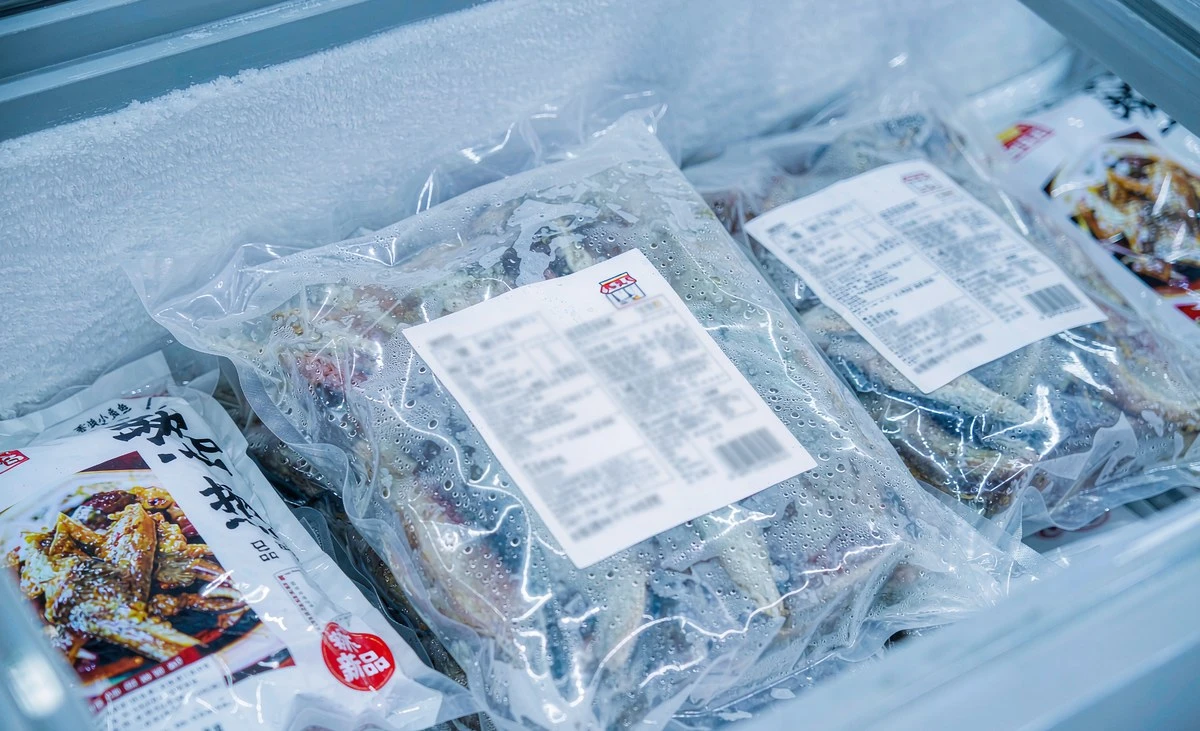
- Freezer-grade (deep-freeze). Formulated to stay tacky below 0 °C and survive condensation. Essential for frozen food, ice cream, meal kits and anything destined for a refrigerated cabinet - a standard adhesive will go glassy and peel off at low temperature.
Finishes: Lamination, Foil Stamping and Embossing
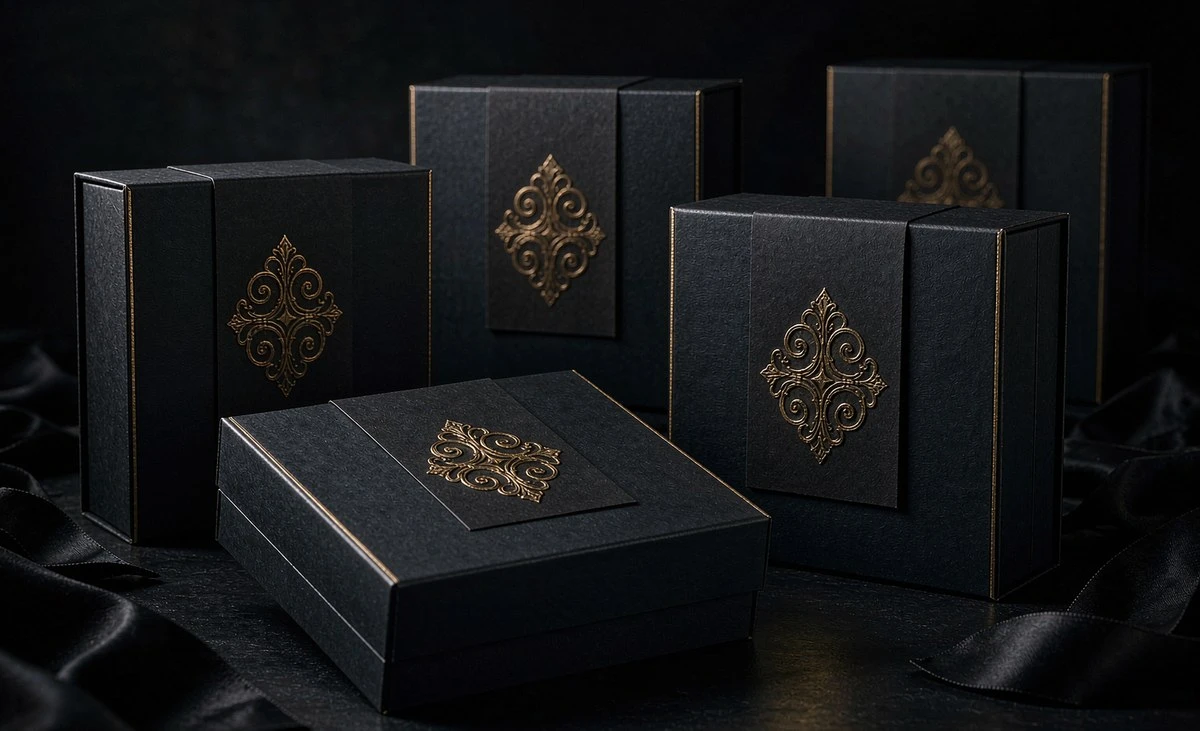
After printing, a finish protects the label and sets its final tone. A thin matt or gloss lamination film is the most common choice: it resists scratches, water and fingerprinting while shifting the perceived quality of the label. Spot varnish, soft-touch coating and UV varnish adjust texture; hot foil stamping and embossing add metallic and raised detail that photographs beautifully in e-commerce listings. We compare these options in depth in our packaging finishes guide.
Designing a Print-Ready Label Artwork
Most disappointing label proofs trace back to artwork, not printing. Three habits prevent almost all of them:
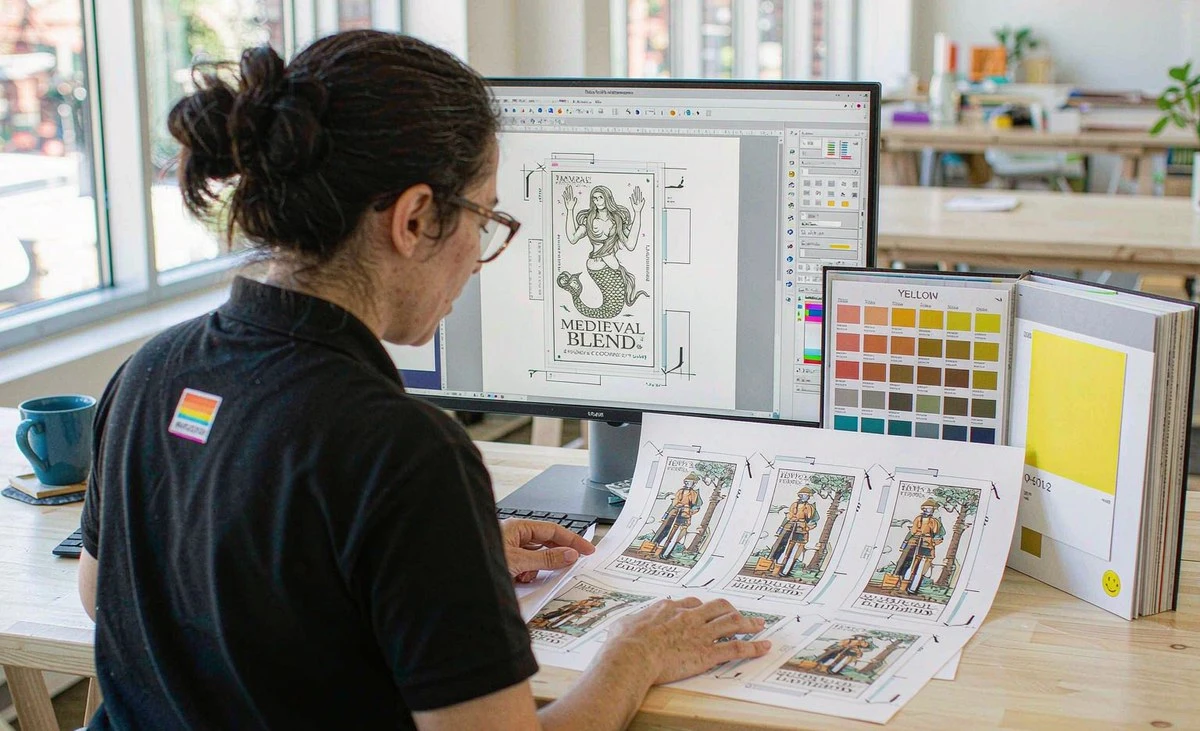
- Work from the real dieline. Ask your supplier for a dieline of the exact label shape and apply your design inside the safe area, with artwork extending past the cut line into the bleed. Never design a label by eyeballing the shape from a photo.
- Check small text and barcodes. Anything under 6 pt becomes fragile on a curved surface; barcodes need quiet zones and should be printed in true black on a light background. Order a press proof if regulatory text matters.
- Design for the container, not the screen. A label wraps a curved, three-dimensional object. Check how the design reads from the front shelf angle and how seams, curves or squeeze zones will distort it in use.
How Custom Labels Are Produced
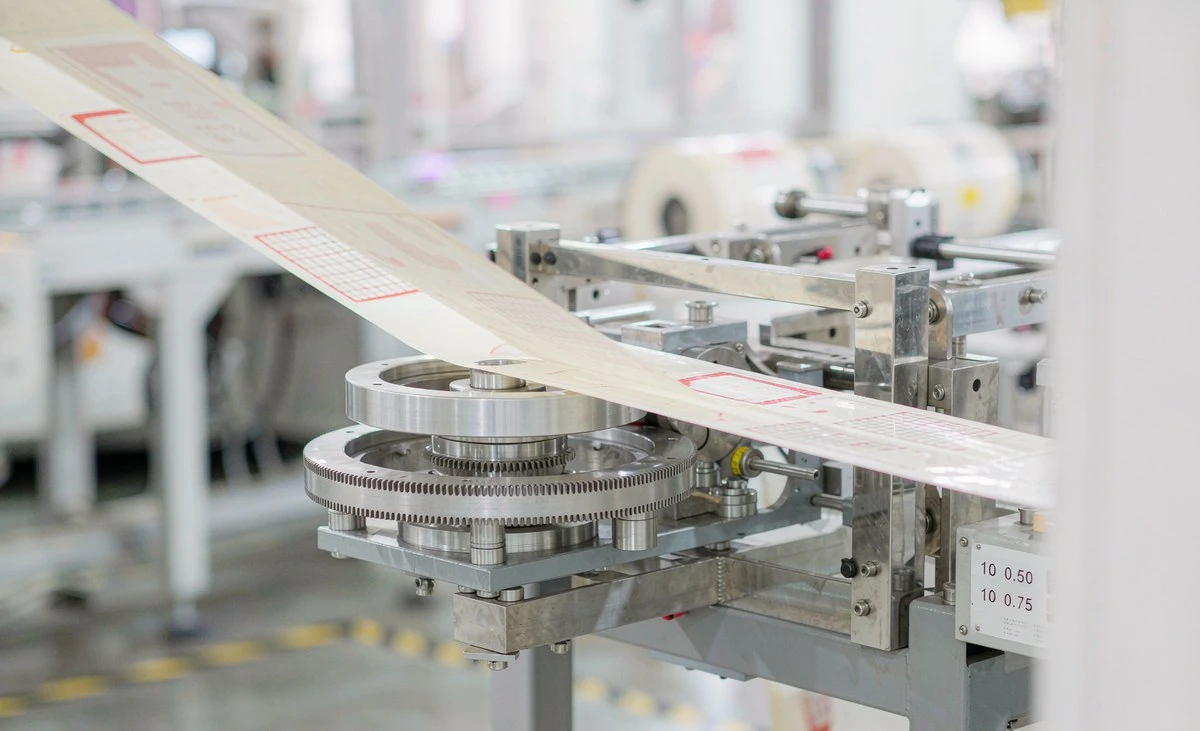
In production, the face material, adhesive and liner are laminated into a web, printed (flexo or digital for most runs), then die-cut on a rotary press that kisses the face layer without cutting the liner. The waste matrix is stripped away and the finished labels are re-wound into rolls or cut into sheets. Consistent die pressure and clean matrix stripping are the main quality markers: a poorly set die leaves "half-cut" labels that tear on application.
Quick Checklist Before Ordering Custom Sticker Labels
- Confirm the container surface: glass, rigid plastic, soft pouch film or paperboard - each bonds differently.
- State the use temperature, including freezer and pasteurization steps, so the right adhesive grade is chosen.
- Decide roll or sheet delivery, roll direction and core size if labels go on an applicator.
- Ask for the dieline early and proof on the actual container, not on paper.
- Balance material and finish against unit cost: a durable BOPP label with matte lamination usually outlives three cheap paper reprints.
Custom sticker labels are the fastest way to make a plain container unmistakably yours. Get the material, adhesive and artwork right, and a few square centimeters of printed paper or film will do more for shelf presence than almost any other packaging investment. If you are ready to move beyond labels into full custom boxes, our guides to paper packaging materials and box styles and custom paper tube packaging are the natural next reads.