
Walk down the beauty aisle of any department store and you will notice one thing quickly: in cosmetics, the box is part of the product. Serum bottles sit in lined rigid cases, palette sets open like small books, and gift sets arrive in magnetic boxes that customers keep long after the cream is gone. For buyers sourcing custom rigid boxes for cosmetics wholesale, the decisions around greyboard thickness, wrap paper, inserts and finishing directly shape both unit cost and brand perception. This guide walks through the construction styles, materials and production details that matter when ordering rigid cosmetic packaging at volume.
Why Cosmetics Brands Choose Rigid Boxes
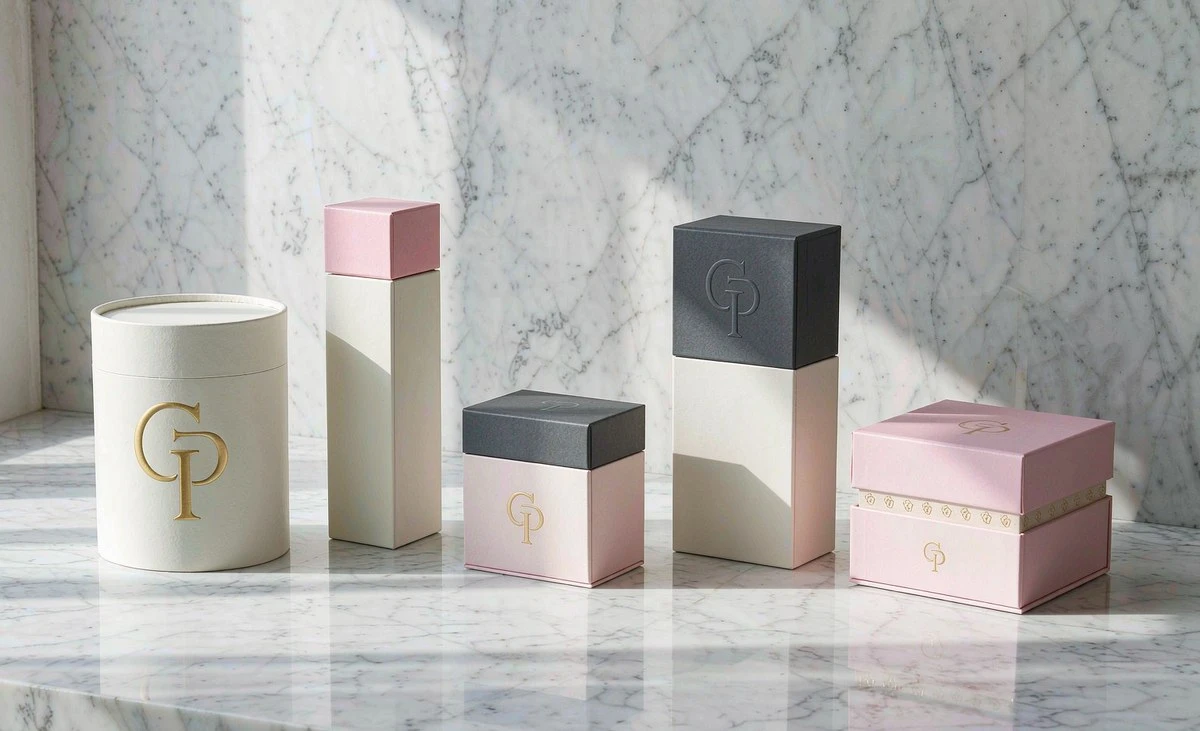
A rigid box is built on a thick greyboard frame wrapped with printed paper, so it holds its shape without folding or collapsing. Four advantages keep beauty brands loyal to this format:
- Shelf authority. A firm, heavy-feeling box signals a premium formula inside. In comparative shelf tests, weight and stiffness are among the first quality cues a shopper registers before reading a word of copy.
- Real protection. Glass bottles, droppers and pressed powders are fragile. A 2 mm greyboard wall with a fitted insert survives courier handling far better than a folding carton.
- Unboxing value. Rigid boxes open with weight and resistance, which makes them ideal for influencer seeding kits, subscription beauty boxes and holiday gift sets.
- Reusability. Customers store cosmetics, jewelry and keepsakes in a well-made rigid case, keeping the brand logo in daily view for months.
If you are still comparing rigid boxes against folding cartons or other formats for a full product range, our custom packaging service page gives an overview of every format we produce, from mailers to tubes.
Main Construction Styles for Cosmetic Rigid Boxes
Most cosmetic projects fall into one of three constructions, and the choice affects both look and logistics:
Telescoping two-piece (lid and base)
The classic style: a separate lid slides over a base tray. It is the most economical rigid construction, ships well and suits cream jars, palettes and bath sets. Depth of the lid determines how dramatic the reveal feels when the box is opened.
Magnetic closure hinged-lid box
The favorite for gift sets and skincare rituals. The lid is hinged to the base and closes with embedded magnets, giving a satisfying snap. Because the lid stays attached, the box works like a small presentation case on a vanity table. Many brands combine this style with a ribbon pull or a satin interior for extra drama.
Book-style and clamshell boxes
A side-hinged box that opens like a book, often used for palette sets, fragrance duos and eyeshadow collections. Clamshell variants open vertically, which presents the product upright as the lid lifts.

Inserts: Foam or Moulded Pulp?
The insert is where protection and presentation meet, and it is usually the first place buyers overspend or underspend. The two dominant options compare like this:
- EVA foam (laminated with velvet or flocked paper): precise CNC-cut cavities, premium velvet feel, excellent grip on glass. Best for high-value serums and fragrance. Downsides: higher cost and a less eco-friendly story.
- Moulded pulp trays: formed from recycled paper, naturally matte, strong sustainability credentials at a low unit cost. Slightly less plush in feel, and cavity shapes have draft-angle limits.
- Corrugated or cardboard platforms: the budget middle ground for lighter items such as lipsticks, balms and sheet-mask packs.
A practical rule from our factory: match the insert to the fragility, not to the price of the box. A velvet foam insert for a heavy glass dropper bottle pays for itself in reduced transit damage; a pulp tray is plenty for a lipstick trio.

Greyboard Thickness and Wrap Paper Choices
Two specifications define the skeleton and skin of every rigid box:
- Greyboard thickness: 1.5 mm for small lipstick and balm boxes, 2.0 mm as the versatile standard for serum and jar boxes, 2.5 to 3 mm for large gift sets that must feel substantial.
- Wrap paper: 157 gsm art paper printed CMYK is the workhorse for full-color branding; specialty papers (linen, leather grain, metallic) deliver texture without heavy printing; uncoated kraft wrap supports natural or refill-focused brand lines.
For brands marketing certified fiber or recycled content, specify wrap paper from responsibly managed forests. Certification marks can be printed once your supply chain is verified through the FSC certification system, which is the most recognized scheme among EU and US beauty retailers.
Printing and Finishing That Signal Luxury
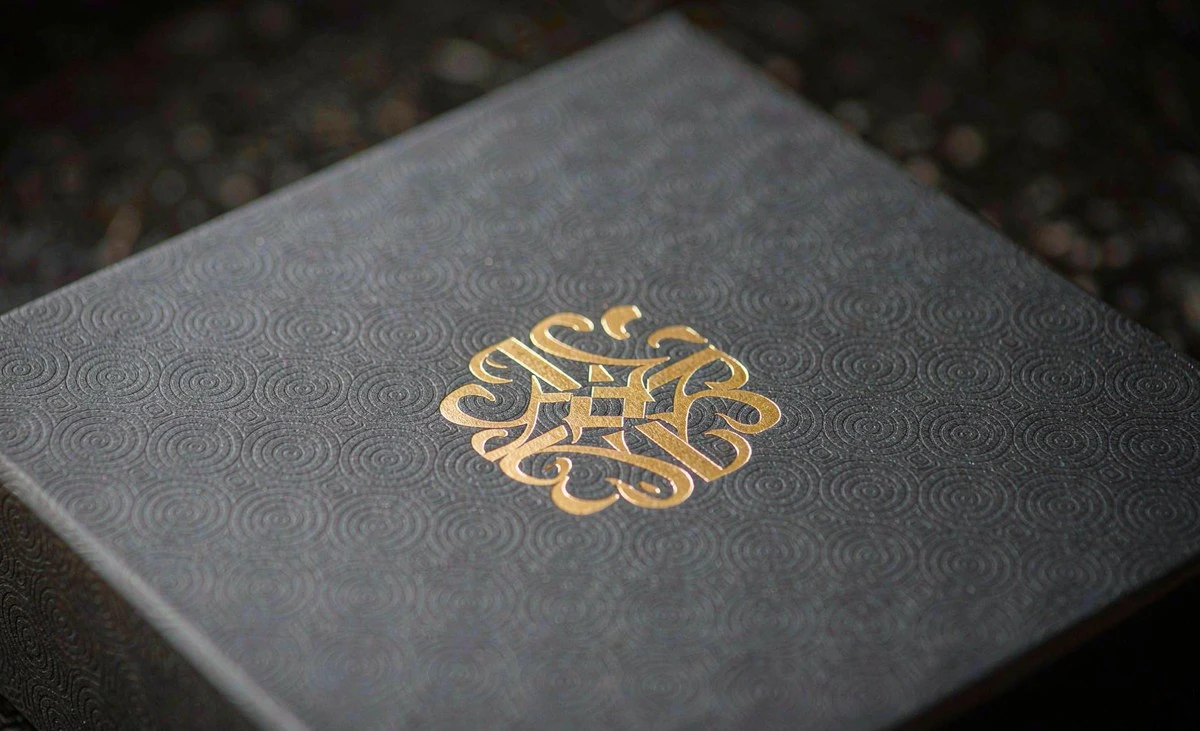
Finishing is where a standard box becomes a brand asset. The processes we run most often for cosmetics:
- Hot foil stamping: gold, rose gold, silver or holographic foils for logos and borders. The single highest-impact upgrade for beauty packaging.
- Soft-touch lamination: a matte, suede-like film that makes boxes feel like premium cosmetics themselves. Pair it with spot UV to contrast glossy logo details against the velvet surface.
- Embossing and debossing: raised or pressed logos that read through fingertips, ideal for minimalist brands that avoid loud color.
- Interior printing: a pattern or brand mantra printed inside the lid turns every unboxing into a marketing moment.
One compliance note for US-market brands: cosmetic packaging and labeling carry regulatory requirements, and the FDA cosmetics labeling guide is the authoritative reference when your box or sleeve carries ingredient and identity panels. Sticker labels are also a flexible way to carry batch codes and multilingual panels without reprinting boxes - our article on custom sticker labels for packaging covers material and adhesive choices in depth.

How Rigid Boxes Are Manufactured

Rigid box production is a hand-finish-heavy process even in modern plants. The workflow: dieline and artwork approval, greyboard cutting and V-grooving, printing and laminating the wrap paper, foil stamping or embossing, then wrapping and gluing each box by hand or semi-automatic machine. Inserts are produced in parallel and fitted during final assembly. Typical timelines are 7 to 10 working days for pre-production samples and 18 to 25 working days for mass production, depending on quantity and finishing complexity. Quality checks focus on wrap alignment, glue squeeze-out, magnet strength and insert fit tolerance.
What Drives Wholesale Pricing
Unit prices vary widely, so it helps to know the levers. Ranked by impact on cost:
- Order quantity: the dominant factor. Moving from 1,000 to 5,000 units typically cuts unit cost by 30 to 50 percent because hand-assembly setup amortizes quickly.
- Box size: larger boxes consume more greyboard and wrap; a double-wall or thick 3 mm build adds both material and labor.
- Finishing count: each additional process (foil plus emboss plus soft-touch) adds setup cost, though combining foil and emboss in one pass saves money.
- Insert complexity: multi-cavity velvet foam inserts can cost more than the box itself; simplify cavities where product weight allows.
Shipping, Flat-Pack Options and Storage

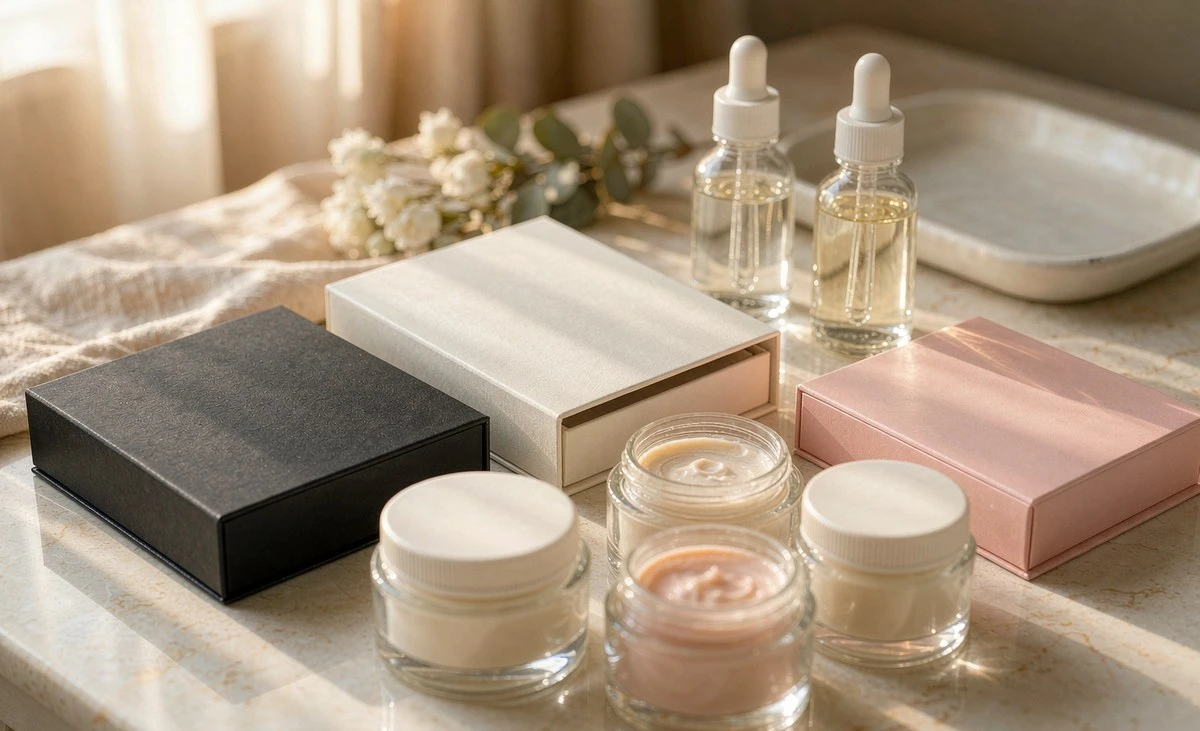
Standard rigid boxes ship assembled and nested, which protects shape but consumes freight volume. For brands shipping to Amazon FBA or retail DCs, collapsible magnetic rigid boxes are worth considering: they arrive flat with pre-folded corners and magnet strips pre-installed, popping open in seconds. They cut shipping volume by roughly 60 percent compared with assembled boxes. Whichever format you choose, confirm per-carton counts, drop tests and pallet configuration before mass production so landed cost does not surprise you.
Quick Buying Checklist
- Measure the exact product dimensions and weight, then choose greyboard thickness (1.5 / 2.0 / 2.5 mm) to match.
- Pick the construction: telescoping for economy, magnetic hinged-lid for gift sets, book-style for palettes.
- Match the insert to fragility: velvet foam for glass, pulp trays for lighter items.
- Limit finishing to two high-impact processes; foil plus soft-touch covers most premium looks.
- Request a pre-production sample with your real product fitted inside before approving mass production.
- Confirm carton packing, drop-test standards and freight volume for your market channels.
Frequently Asked Questions
What is the minimum order quantity for custom rigid boxes for cosmetics?
Most factories start at 500 to 1,000 units per design because greyboard cutting and wrap printing involve setup costs at every station. At JYD Pack, 1,000 units is the standard MOQ for a fully custom rigid box, and sampling quantities are available for testing the market first.
Are rigid cosmetic boxes recyclable?
Yes, when the greyboard and wrap paper are mono-material paper products. Remove or note the magnets, ribbon and any foam insert before recycling. For eco-positioned lines, we recommend moulded pulp inserts and uncoated kraft or art paper wraps, which keep the entire box in the paper stream.
How durable are magnetic closure boxes for e-commerce shipping?
With a 2 mm or thicker greyboard and a fitted insert, magnetic rigid boxes routinely pass standard courier drop tests for glass cosmetics. For direct-to-consumer channels we still advise an outer corrugated mailer, and for fragile serum sets an additional inner carton or bubble layer.
Can I order different sizes under one brand design?
Yes. A common approach is one shared artwork system - same colors, foil and typography - applied across three or four box sizes for jars, serums and palettes. This keeps the family look consistent while spreading setup costs across the range, and reorders of individual sizes stay simple.
Ready to spec your own cosmetic rigid boxes? Explore our full packaging products catalog or start a custom project through the custom packaging quote page - our team will recommend construction, materials and finishing that fit your budget and launch timeline. For gifting angles, see how we structure custom rose boxes for flower brands, a closely related premium rigid format.