
Chocolate melts at body temperature, absorbs surrounding odors, bruises like fruit and sells almost entirely on emotion - no wonder its packaging is one of the most demanding categories in paper packaging. Whether you run a bean-to-bar brand, a praline atelier, a hotel amenity program or a corporate gifting service, the boxes you choose decide how the product survives transport and how it feels to receive. This guide answers the three questions buyers ask most: what custom chocolate gift boxes actually include, who should buy them wholesale rather than retail, and how to choose structures, inserts and finishes without overpaying.

What Are Custom Chocolate Gift Boxes?
Custom chocolate gift boxes are made-to-order paper packaging built around your exact product line: the number of pieces per box, the shape of pralines, bars or truffles, the sales channel and the brand story. Unlike stock boxes, every dimension - tray depth, divider spacing, window position, lid clearance - is specified for your product. A typical wholesale order combines three elements:
- A structure: rigid two-piece or magnetic boxes, folding cartons, cylindrical tubes or bar sleeves.
- An interior system: pleated paper cups, molded pulp trays, dividers or foam inserts that stop pieces from sliding and touching.
- A branding layer: printed wrap, foil emblems, interior messages and seals that turn the box into a gift without extra wrapping.
Chocolate is the reason all three matter more than in most categories: cocoa butter picks up surrounding odors, fingerprints show on glossy couverture, and heat during shipping can shift pieces out of position. The box has to look luxurious while quietly doing an engineering job.
Who Should Buy Chocolate Boxes Wholesale?
Retail packs of ten boxes make sense only for hobbyists. Wholesale production becomes the smart move once any of these is true:
- Chocolatiers and praline ateliers with fixed assortment sizes (9, 16, 25 pieces) that repeat every season.
- Bean-to-bar brands shipping bars or bar bundles by e-commerce and needing consistent brand presentation at scale.
- Hotels, airlines and corporate gifting programs ordering hundreds of identical branded boxes several times a year.
- Growth-stage brands preparing for retail shelf placement, where a consistent box face matters as much as the product.
For all of them, unit economics improve sharply with volume: setup costs spread across 500 or more units typically cut per-box price by 30 to 50 percent compared with small runs, and custom tooling guarantees the fit that stock boxes never can. If you are building a full packaging range beyond chocolate, our guide to custom packaging services shows how to keep one material and branding system across every product line.
Common Structures and When to Use Them
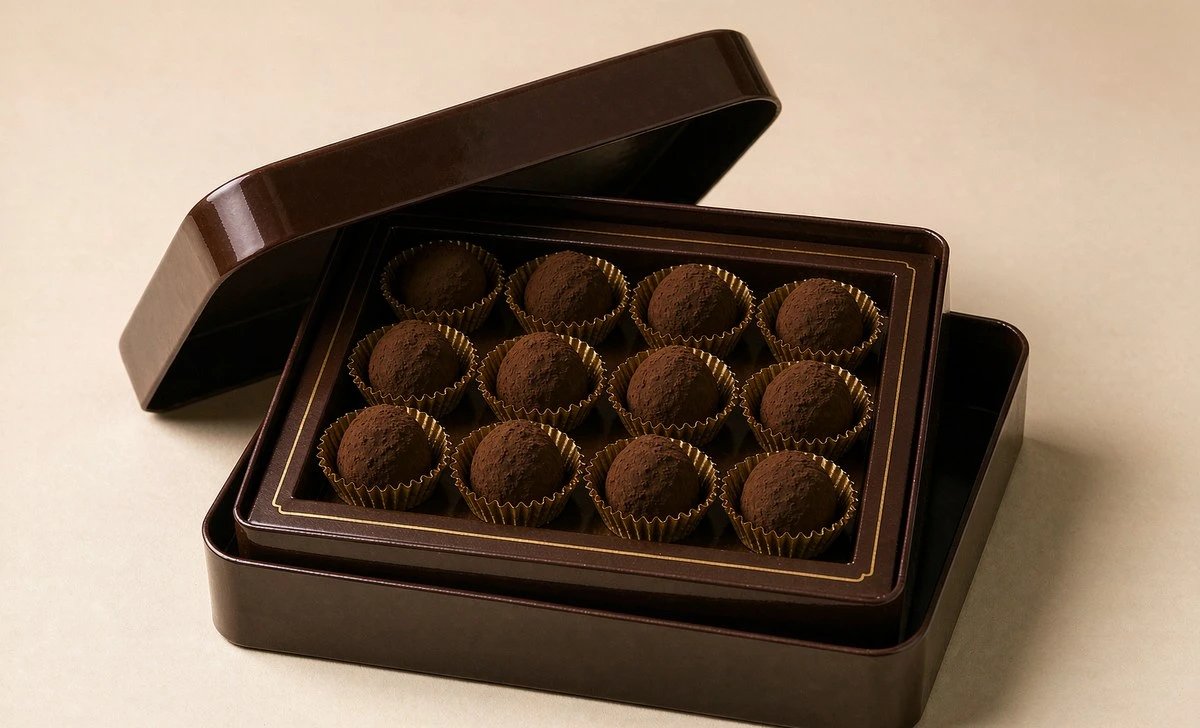
Two-piece rigid boxes (lid and base)
The classic praline gift format. A thick grayboard base with a fitted tray and a lift-off lid wrapped in printed or specialty paper. It assembles fast, presents well on a shelf and protects fragile pieces; it is the most economical rigid option and suits 4-to-25-piece assortments.
Magnetic closure boxes
A hinged lid with embedded magnets that snaps shut - the opening moment premium brands want for luxury assortments and corporate gifts. Unit cost is higher and the assembled box is bulky, so plan freight or choose a folding version.
Window folding cartons
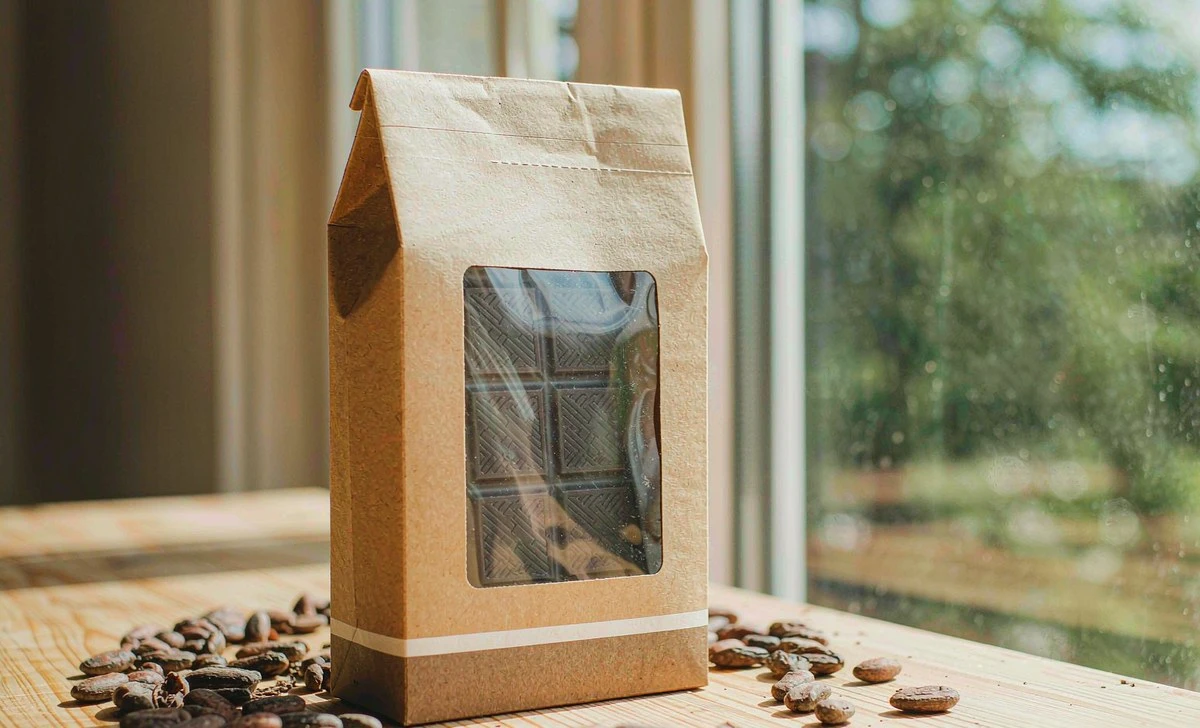
A printed paperboard carton with a clear cellophane window that shows the product without opening it. This is the workhorse for bars and seasonal retail packs: cheaper than rigid boxes, ships flat, and the window does the selling. Food-grade inks and a grease-resistant barrier coating matter most in this format.
Paper tubes
A cylindrical tube with end caps turns a single bar or a small assortment into a striking premium gift, packs densely in master cartons and resists crushing well. For a deeper comparison of tube constructions and diameters, see our paper tube packaging guide.
Bar sleeves and bands
The slimmest option: a printed sleeve or belly band over a foil-wrapped bar. Lowest material cost, perfect for single-bar retail, and easy to refresh seasonally with a new design.
Inserts Compared: Pulp Cups, Foam and Dividers
The interior is where chocolate packaging succeeds or fails - pieces that slide, touch or topple destroy both presentation and product. The three common systems:
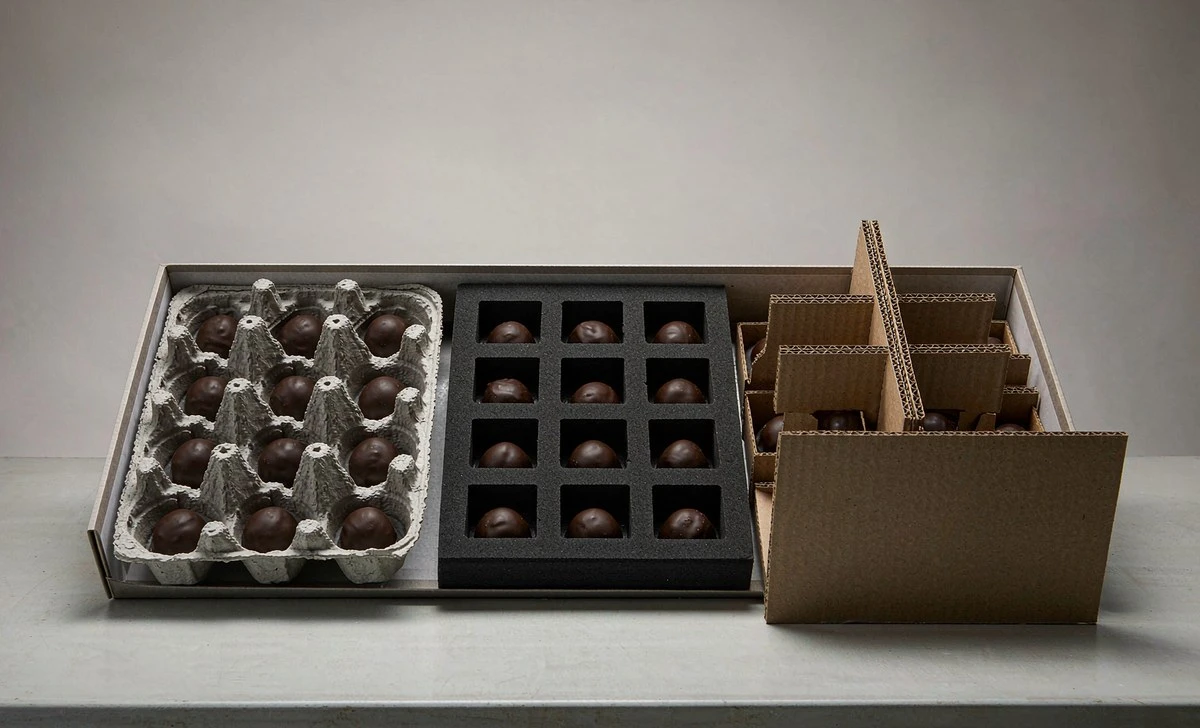
- Molded pulp trays with cup indentations. Recyclable, print-friendly and the current favorite of eco-conscious chocolate brands. Round cups hold truffles and pralines steady; pair them with pleated paper cups for an extra touch of luxury.
- Die-cut EVA or PU foam. The most precise fit, cut to 0.5 mm tolerance - useful for irregular shapes and heavy gift boxes. Downside: foam is harder to recycle, and European buyers increasingly ask for fiber-based alternatives.
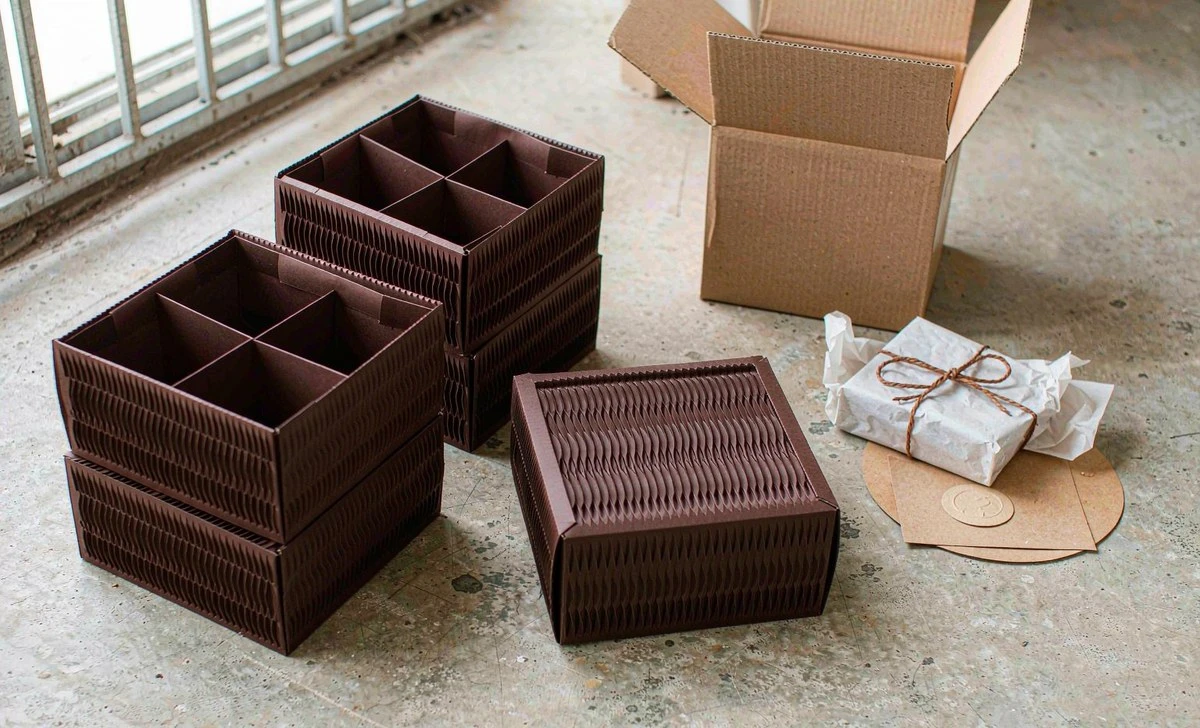
- Corrugated cross-dividers. The economical classic for bar assortments and larger count boxes. Ships flat, assembles without glue and keeps every piece separated at minimal cost - presentation is more utilitarian, protection is excellent.
A practical rule: pulp cups for premium assortments, dividers for high-count and bar boxes, foam only where shape irregularity demands it. Always validate with a physical sample loaded with your real product - chocolate pieces vary more in height than buyers expect.
Food Contact, Grease and Heat: Materials That Matter
Chocolate is a direct-food-contact category, so material choices carry compliance weight. Papers and boards that touch the product (or sit close enough for migration to matter) should use food-grade inks and coatings; in the United States, substances in contact with food are regulated by the FDA Food Contact Substances program, and EU buyers will expect equivalent documentation. Specify grease-resistant barrier coatings on cartons that hold bars directly, and avoid strong-smelling recycled board for anything close to unwrapped chocolate - cocoa butter absorbs odors readily.
Heat is the other enemy: a thin carton in a warm delivery van can bloom the surface of couverture. Rigid boxes with more air volume buffer short temperature swings better, and an outer tissue layer adds both insulation and an unboxing moment at negligible cost.
Finishes and Branding That Sell
Chocolate gifting is impulse-and-emotion shopping, and finishes do most of the selling:
- Hot foil stamping. Gold or copper foil emblems on deep brown or burgundy board - the highest perceived-luxury per dollar in the category.
- Soft-touch lamination. A velvet-feel matte coating that resists fingerprints, popular on premium assortments.
- Debossing and blind embossing. Tactile cocoa-pod or geometric motifs without ink or foil, ideal for natural and organic positioning.
- Spot UV. Gloss highlights over matte print for contrast logos and window frames.
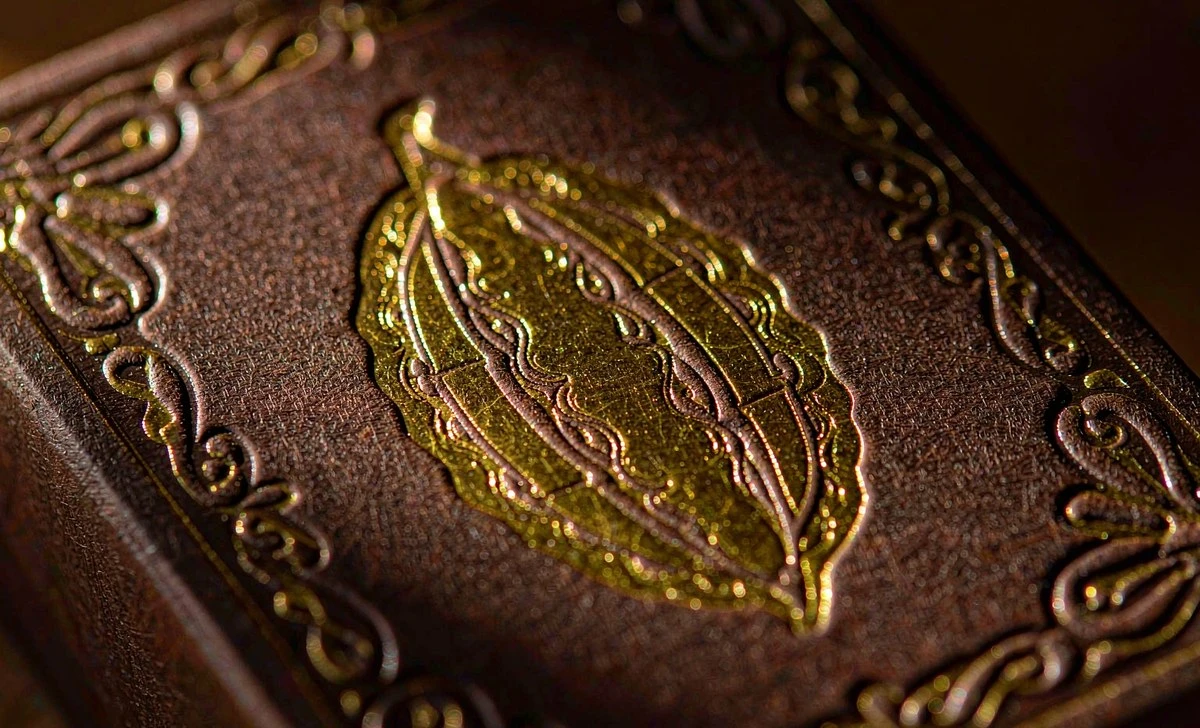
Branding usually pairs one exterior emblem with interior storytelling - the inside lid is prime space for an origin story or tasting notes. Brands running seasonal editions often use custom sticker labels on a neutral box instead of reprinting the full run: the same box serves every season, and a new label signals the edition at a fraction of the cost. Keep artwork in vector format and specify foil colors by Pantone metallic reference; fine foil lines under 0.3 mm may not transfer cleanly, which a printed proof settles in minutes.
How Wholesale Production Works: MOQ, Lead Time and QC
Wholesale chocolate box production rewards consolidated orders. Typical MOQs run 500 to 1,000 pieces per design; bar sleeves and stock-size folding cartons with print-only customization can start around 300. Lead times are usually 7 to 10 working days for a pre-production sample and 15 to 25 working days for mass production. Plan around your peaks - Christmas, Valentine's, Easter and Mother's Day stretch every factory schedule, so order samples two to three months ahead of each season.
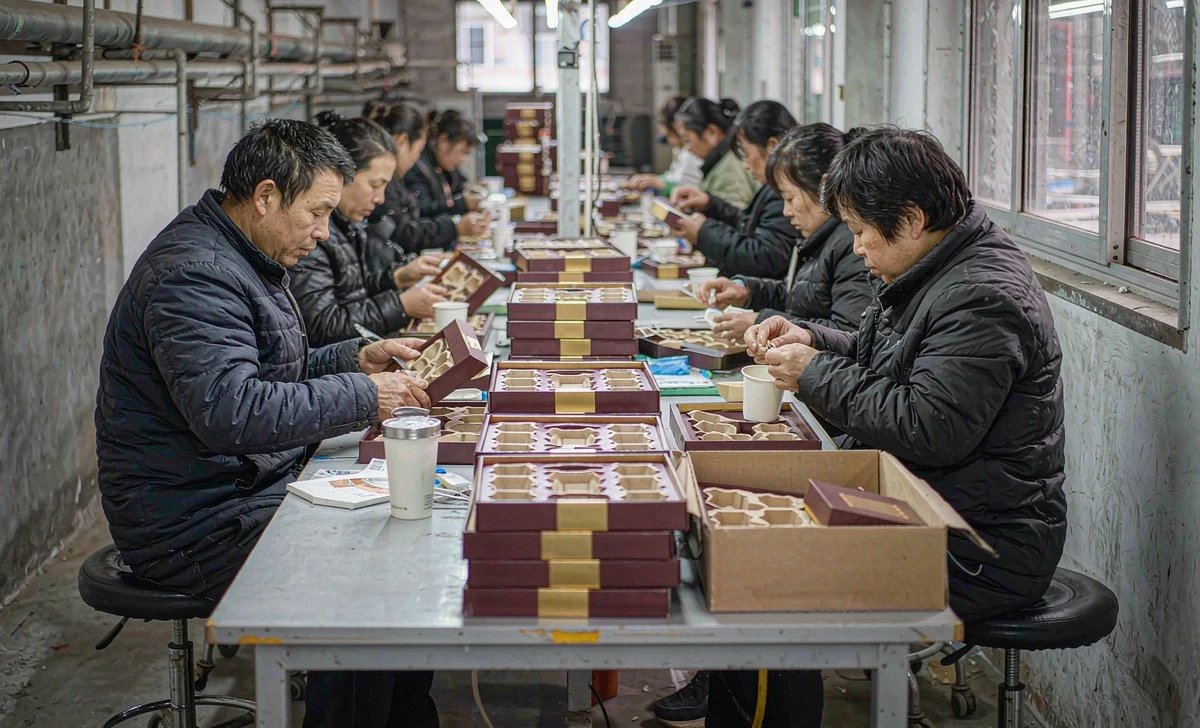
Quality control focuses on four checkpoints: tray fit against real product, wrap paper bonding without bubbles or glue marks, window film tautness on cartons, and color consistency between the approved sample and the production run. Reputable factories photograph or video the sample sign-off automatically - ask for it.
Pre-Order Checklist
Before approving production, run through this list:
- Count and measure every piece per box, including height variations across the assortment.
- Choose the interior system (pulp cups, foam, dividers) and confirm with a loaded physical sample.
- Confirm food-contact needs: barrier coating, food-grade inks, and documentation your market requires.
- Decide the shipping configuration: assembled boxes in master cartons, or flat-pack formats with one assembly trial first.
- Check whether a tissue wrap and sticker seal are needed - cheap additions that double the unboxing layers and protect the finish.
- Estimate pallet configuration early if you order tube formats, so diameters do not waste freight.
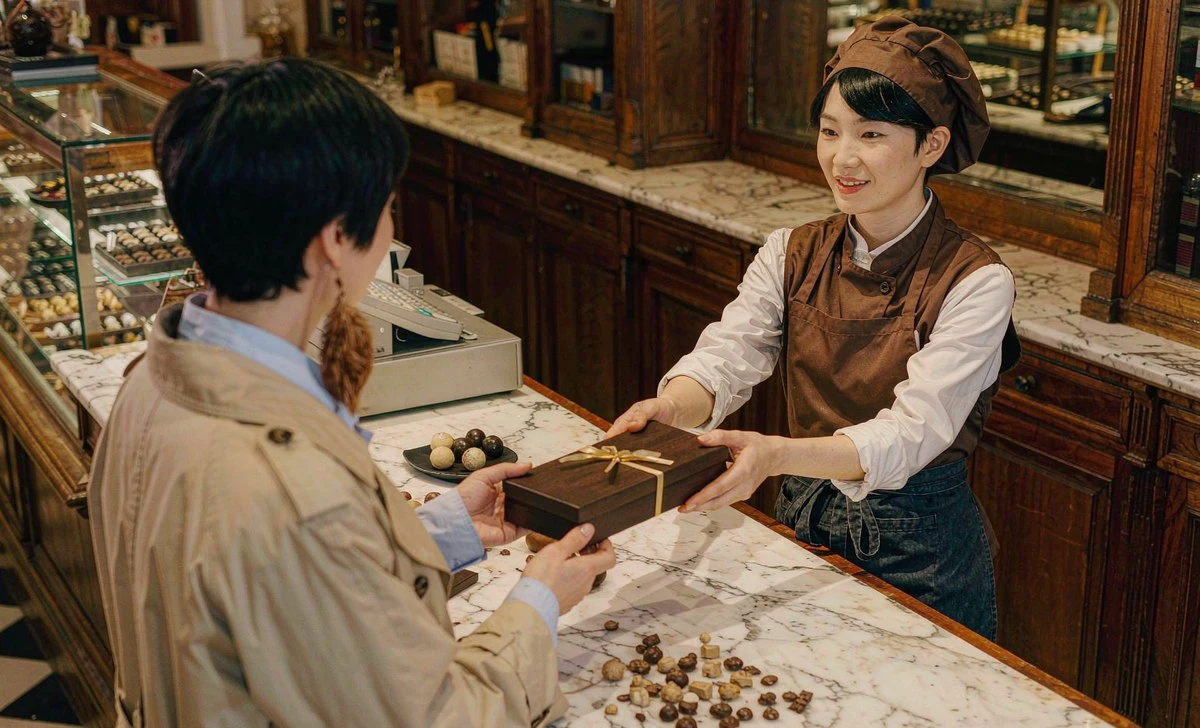
For shop-counter sales, design for the handover moment: the box should look complete without extra wrapping, because most buyers will not re-wrap a box they just bought.
Sustainability Claims Chocolate Brands Can Make
Paper-based chocolate packaging is highly recyclable when inserts are fiber-based: pulp trays, pleated cups and corrugated dividers all stay in the paper stream, and cellophane windows made from regenerated cellulose keep the carton compostable. If certified fiber matters to your market, specify paper from certified forestry - the FSC certification system is the most widely recognized and can appear on the box once the supply chain is certified. Keep green claims specific and substantiated; vague wording such as "100% eco-friendly" creates regulatory risk in the US and EU alike.
Frequently Asked Questions
What is the typical MOQ for custom chocolate gift boxes wholesale?
Most factories set 500 to 1,000 pieces per fully custom design. Stock-size folding cartons and bar sleeves with printing-only customization start around 300 pieces. To lower the entry point, share one board thickness and wrap paper across your box sizes and differentiate assortments with printed cups or labels.
Which insert is best for truffles and pralines?
Molded pulp trays with round cup indentations hold round pieces steadily, are fully recyclable and photograph well. Pleated paper cups add a premium touch on top. Die-cut foam offers the tightest fit for irregular shapes but is harder to recycle - use it only where shape irregularity demands it.
Do chocolate boxes need special coatings?
Direct-contact surfaces need grease-resistant barrier coatings and food-grade inks; in the US, food-contact substances fall under FDA regulations, and EU buyers expect equivalent declarations. Cartons holding foil-wrapped bars need less barrier than cartons holding unwrapped pieces. Confirm requirements with your factory before artwork is finalized.
How long does a custom chocolate box order take?
Expect 7 to 10 working days for a pre-production sample and 15 to 25 working days for mass production. Foil dies, specialty papers and magnetic constructions sit at the longer end. Add sea freight time - typically 25 to 40 days from Asia to North America or Europe - and order well ahead of gifting seasons.
Can one box serve multiple seasons without reprinting?
Yes. Keep a neutral base box - brown or black rigid or carton with a simple emblem - and switch seasonal designs with sticker labels, printed belly bands or interior cards. This cuts cost and lead time dramatically and keeps inventory simple between peaks.
Ready to specify your chocolate packaging? Explore our custom packaging capabilities to see structures, materials and finishing options in one place, or browse the products catalog for the formats closest to your range, then send your piece counts, product dimensions and artwork for a fast, accurate quote.