
A shoe box is the one piece of packaging a sneaker buyer touches twice: once when the parcel arrives, and again every time the box comes back out of the wardrobe. That is why footwear brands that used to treat the box as a shipping container now design it as part of the product. If you are sourcing custom shoe boxes wholesale for sneaker brands, the decisions that matter are structural rather than decorative: which box format survives a courier network, which insert stops a pair from moving, how sizes should be standardised across a range, and where you can cut cost without cutting the unboxing moment. This guide covers the formats, materials, printing, compliance and pricing levers we see in real footwear programs.
Why the Shoe Box Deserves Its Own Design Brief
Most packaging categories have one job. A shoe box has four, and they pull in different directions:
- Structure. A pair of sneakers weighs 0.6-1.2 kg and is asymmetric, so the box has to resist corner crushing in a mixed parcel without adding 200 g of board.
- Retail presence. In a boutique, boxes are stacked lid-out on shelves. The lid panel is effectively a poster seen from two metres away.
- Unboxing content. Sneaker buyers film openings. Tissue, a printed inner card and a clean lid reveal are what get shared.
- Return logistics. Roughly a fifth of apparel and footwear orders come back in e-commerce. A box that cannot be reopened and reclosed cleanly costs the brand a second carton.
Write those four requirements into your brief before choosing a structure. A box that scores well on retail presence but fails the drop test is a false economy at wholesale volumes.
Five Shoe Box Structures, Compared
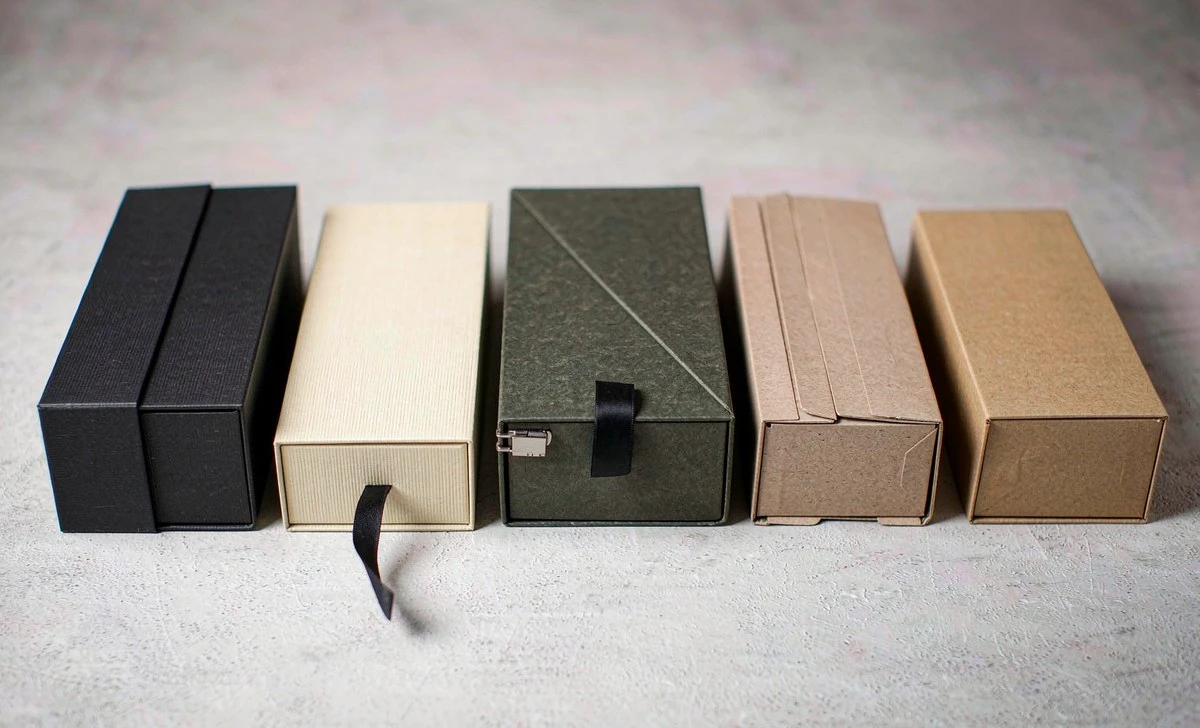
Nearly every footwear range we quote is built from one of these five formats, often mixed within a single collection so that entry-price styles and hero styles can sit on the same shelf.
1. Two-piece lid-and-base rigid box
The classic premium format: a wrapped greyboard base with a slightly larger lid that drops over it. It holds its shape on a shelf, accepts soft-touch lamination and foil, and reads as expensive because it is heavy and square. Specify 1.5-2.0 mm greyboard for standard sneakers and 2.0-2.5 mm for boots or multi-pair sets. The trade-offs are freight volume (rigid boxes ship assembled, so they cube out) and lid fit tolerance: too loose and the lid rattles, too tight and it scuffs the wrap.
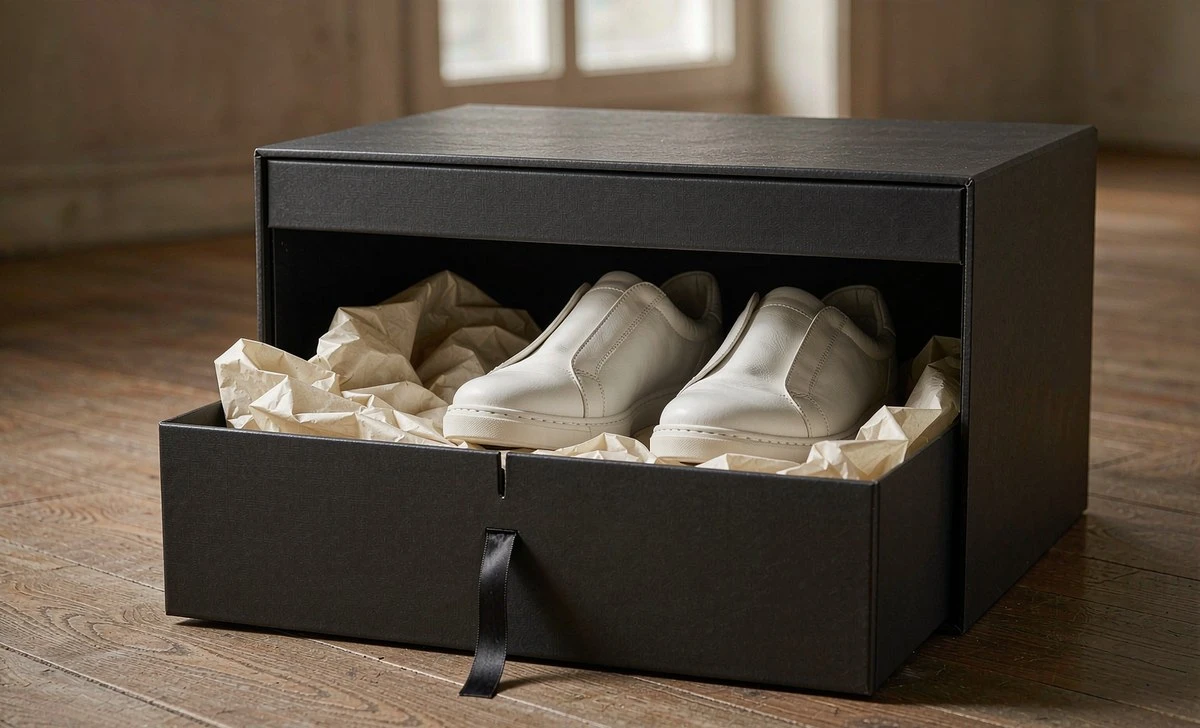
2. Drawer or slide box with ribbon pull
A rigid sleeve with an inner tray that slides out on a ribbon or finger notch. The drawer format is the most photogenic of the rigid options, because the shoe is revealed in a single movement rather than lifted out. It also doubles as storage, which matters to collectors. Expect a higher assembly cost than a two-piece box, and plan the ribbon length carefully: 100-120 mm of exposed ribbon is enough for a confident pull without looking untidy in the carton.
3. Magnetic flip box with a fitted insert
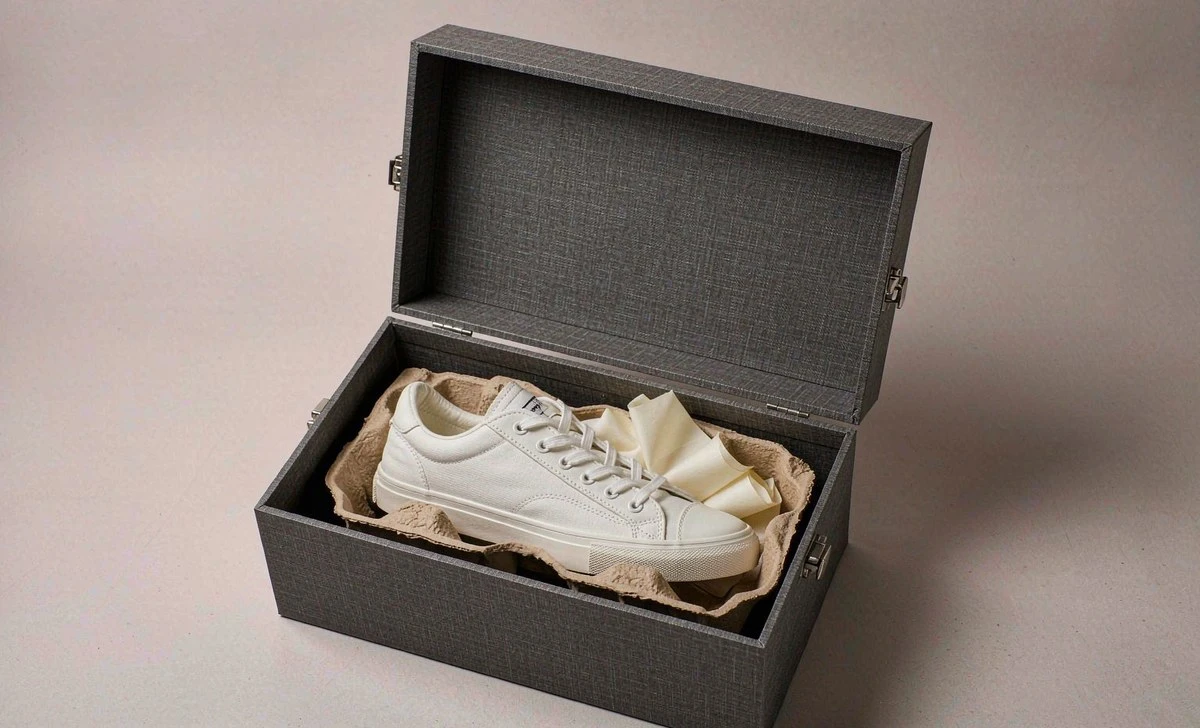
A one-piece rigid box with a hinged lid held by two concealed magnets, opening like a book. This is the format brands choose for collaboration drops and limited colourways, because the open lid becomes a backdrop for the shoe. The insert does the engineering work: a moulded pulp tray or a die-cut EVA foam bed holds the pair at a fixed angle, protects the heel counter and prevents the two shoes from rubbing. Recycled pulp is the cheaper, more recyclable default; foam gives a tighter grip for heavy or studded soles.
4. Corrugated tuck-top mailer box
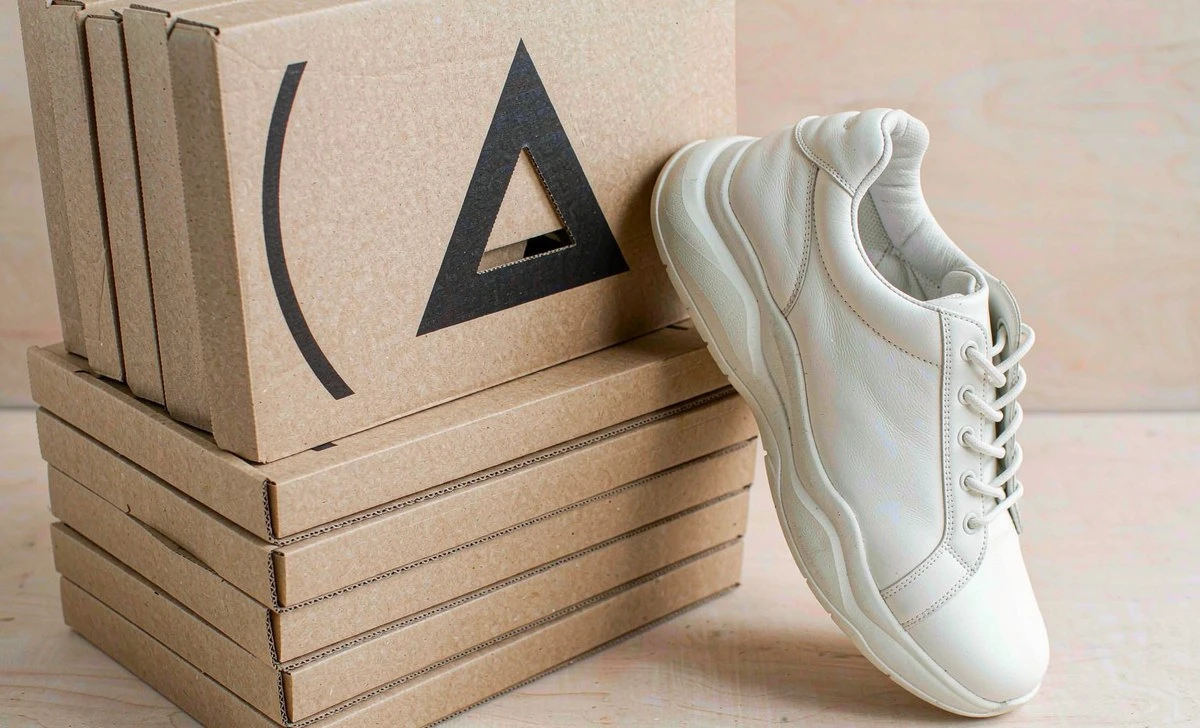
For direct-to-consumer shipping, a printed corrugated tuck-top box often replaces both the shoe box and the outer carton. Single-wall E-flute or B-flute gives enough compression strength for a 1 kg pair, and the tuck-top lid means no tape is needed on the customer-facing side. This is the most cost-efficient custom option at volume and the easiest to make plastic-free. If you ship frequently, ask for an ISTA 3A or 6-Amazon-compatible test report rather than relying on supplier assurances; our guide to custom corrugated mailer boxes for e-commerce explains how the board grades map to parcel weight.
5. Kraft or recycled board box with tissue and a seal
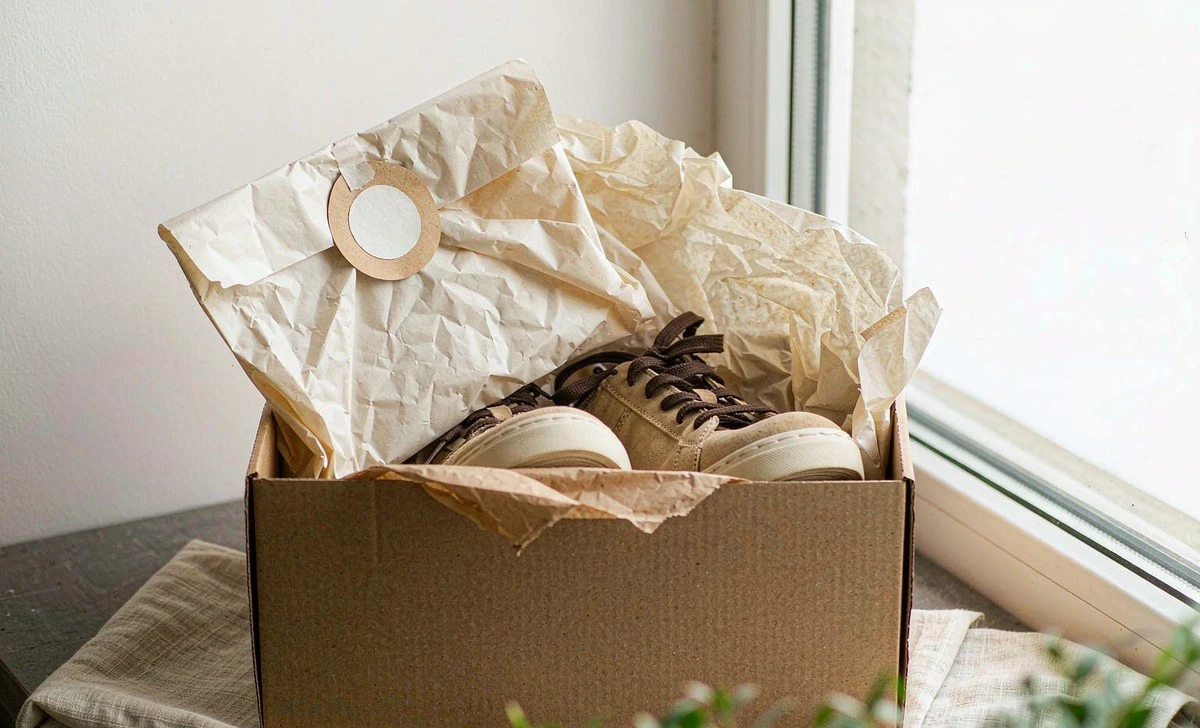
The low-cost, low-impact option: uncoated recycled board, one-colour print, tissue wrap and a paper sticker sealing the tissue. It suits sustainable collections, kids' ranges and sample shipments. The sticker is doing real work here, both as a tamper indicator and as a branding surface, so choose a paper-faced label with a permanent acrylic adhesive that grips a textured board. Our custom sticker labels guide covers adhesive choice for recycled and coated surfaces.
Choosing a Structure by Sales Channel
The same sneaker can justify three different boxes depending on where it is sold. This comparison is the fastest way to narrow the shortlist before you ask for quotes:
| Structure | Best for | Protection | Unit cost | Ships assembled? |
|---|---|---|---|---|
| Two-piece rigid | Boutiques, gifting, hero styles | High | High | Yes |
| Drawer / slide | Limited editions, collectors | High | High | Yes |
| Magnetic flip + insert | Collab drops, content-led launches | Very high | Highest | Yes |
| Corrugated tuck-top | DTC e-commerce, subscription | Medium-high | Low | No, flat |
| Kraft + tissue + seal | Sustainable ranges, samples, kids | Medium | Lowest | No, flat |
A practical pattern many brands land on: rigid or magnetic boxes for the top 20% of SKUs that carry marketing budget, corrugated or kraft for the long tail and for replenishment, and one shared visual system across both so the range still photographs as a family.
Sizing, Filling and Internal Protection
Standardising box sizes is the single biggest lever on wholesale cost, because every unique size adds a dieline, a cutting setup and a separate carton specification. Most sneaker programs settle on three or four internal dimensions, for example:
- Low-top / runner: internal 330 x 210 x 120 mm.
- Mid-top / chunky sole: internal 350 x 240 x 140 mm.
- Boot / high-top: internal 370 x 280 x 160 mm.
- Kids / sample: internal 260 x 170 x 100 mm.
Always quote internal dimensions and add 5-8 mm clearance over the measured shoe, plus 10 mm if you wrap in tissue. For filling, choose one of four routes and stick to it across the range: tissue plus a card heel stiffener (cheapest), a die-cut corrugated cradle (good for e-commerce), a moulded pulp tray (premium and recyclable), or EVA foam (tightest hold, least recyclable). Add a 1 g silica gel sachet per pair if the boxes are stored in humid climates, and specify the sachet as paper-based if plastic-free claims matter.
Printing and Finishing for Footwear
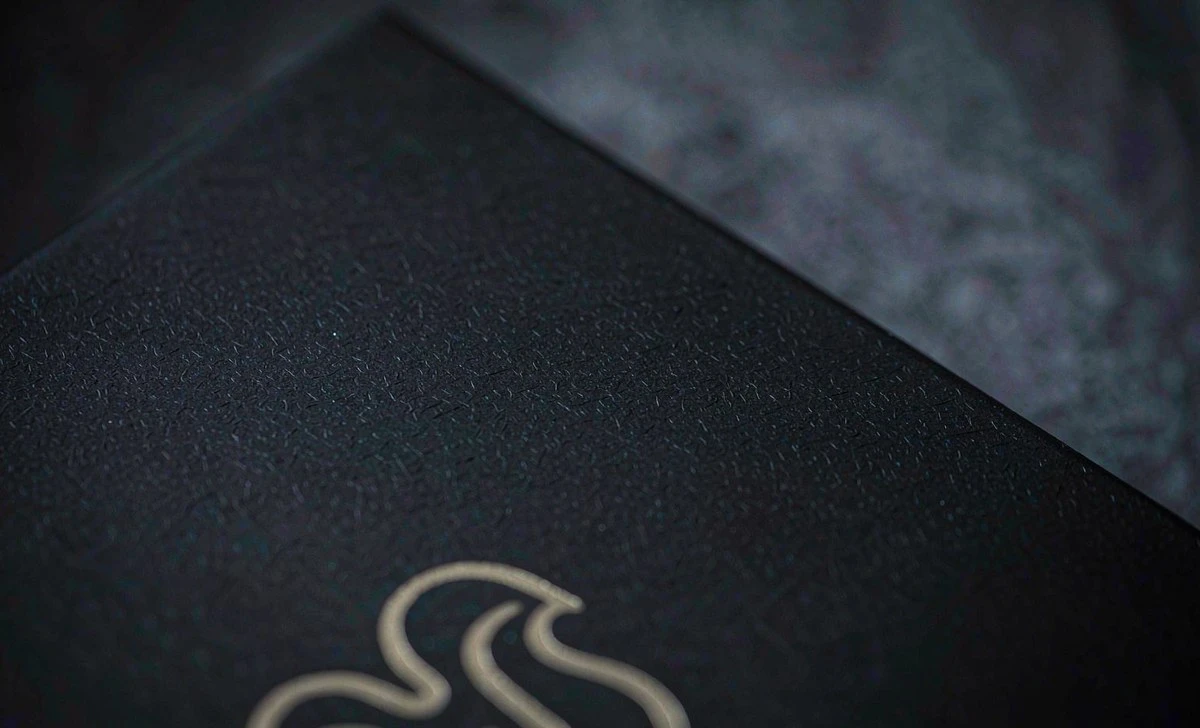
Footwear artwork tends to be either photographic (a full-bleed colourway shot) or almost empty (a logo and one line of type). Both are achievable, but the process differs:
- Offset litho with lamination for photographic lids on rigid boxes and folding cartons; four-colour plus a spot colour is usually enough.
- Direct screen printing on kraft or corrugated for one- or two-colour graphics; it sits on the board texture and suits a workwear or skate aesthetic.
- Hot foil and embossing for a single emblem on the lid; a 30-40 mm foil area gives a premium read without a premium price.
- Spot UV to lift a logo off a matte laminated lid, useful when you cannot afford foil tooling.
- Soft-touch lamination for a velvet hand feel, but note that it complicates paper recycling and should be used where the claim allows.
Ask for a printed proof on the actual board, not on coated inkjet paper. Kraft and recycled boards shift colour by several points, and a grey board wrapped in printed paper looks different from the same artwork printed direct.
Sustainability and Compliance
Footwear is under pressure on two fronts: plastic reduction and chemical compliance. On fibre, specify board from responsibly managed forests and print the licence code only if your chain of custody is certified; the FSC system is the most widely recognised route. On chemistry, recycled fibre can carry mineral oil residues, and water-based glues and inks should be documented as free of PFAS. EU buyers should ask for a declaration aligned with the Packaging and Packaging Waste Regulation, and US buyers for food-contact documentation only where the box touches product directly (rare in footwear, common in apparel accessories).
Two design choices remove most of the plastic from a shoe box: replace the laminated window and plastic hang tag with paper alternatives, and switch foam inserts to moulded pulp. Both changes are invisible to the customer and reduce the packaging weight, which lowers freight cost as well.
Wholesale Pricing, MOQ and Lead Times
Custom shoe boxes are quoted per unit at a given quantity, with tooling separated. The three numbers that move the price most are board grade, print colours and insert type; quantity matters, but less than most first-time buyers expect between 3,000 and 10,000 units.
- MOQ: typically 1,000-3,000 units for printed corrugated and folding cartons, 500-1,000 for rigid boxes, higher for magnetic boxes with custom inserts.
- Sampling: 5-10 working days for a white sample, 7-12 for a printed pre-production sample.
- Production: 15-25 working days after sample approval, plus 25-35 days sea freight to Europe or North America.
- Tooling: one die per size, one plate set per colour; reusable across repeat orders, so year two is cheaper than year one.
Quality Checklist Before You Approve a Sample
Run this list against the physical sample, not a photo:
- Internal dimensions measured with a tape against your actual shoe, including tissue wrap.
- Lid fit: a light friction hold with no rattle, and no scuffing after twenty open-close cycles.
- Print registration on all four sides, plus colour match against your Pantone reference under daylight.
- Glue lines clean and odour-free after 24 hours in a closed bag.
- Drop test from 800 mm on a corner with the pair inside; check insert retention and lid separation.
- Insert grip: shake the closed box gently and confirm the shoes do not move.
- Label adhesion on textured or recycled board, tested at low temperature if you ship in winter.
- Carton configuration: units per carton, gross weight under 18 kg, and pallet pattern documented.
Frequently Asked Questions
What is the minimum order quantity for custom shoe boxes wholesale?
Printed corrugated tuck-top boxes usually start at 1,000-3,000 units per size, rigid two-piece boxes at 500-1,000, and magnetic boxes with a custom insert at 500-1,000 depending on the insert tooling. If you sell several sizes, expect the MOQ to apply per size rather than per order.
How much does a custom shoe box cost compared with a stock box?
As a working range, a printed corrugated tuck-top box lands at roughly 2-3 times the price of an unbranded stock carton at 3,000 units, while a soft-touch rigid box with foil can be 6-10 times. The gap narrows at higher volumes and widens with special finishes, inserts and unusual sizes.
Can one box size fit multiple shoe styles?
Yes, within limits. A single internal size can cover low-tops and runners if the largest shoe fits with 5-8 mm clearance, but not boots. Most brands use three sizes plus one kids size, which keeps tooling to four dies and still covers the catalogue.
Are corrugated shoe boxes strong enough to ship without an outer carton?
For a single pair under about 1.2 kg, a printed E-flute or B-flute tuck-top box with a tight insert is usually sufficient, provided it has passed a drop test and, ideally, ISTA 3A. Above that weight, or for multi-pair orders, add an outer carton or move to a double-wall grade.
How do I keep the box recyclable without losing the premium look?
Stay with uncoated or water-based coated board, paper stickers instead of plastic tape, moulded pulp instead of foam, and avoid soft-touch film unless your local recycling stream accepts it. Embossing and foil used sparingly still read as luxury while keeping the board easy to repulp.
Whether you need 2,000 printed mailer boxes for a direct-to-consumer launch or a full boutique program of rigid and magnetic boxes with pulp inserts, the fastest path is to send us your shoe dimensions, target quantity and artwork references. Start with our custom packaging service to get a dieline and quote, or browse existing structures on the products page and tell us which format you want to adapt for your next drop.